A loose shingle in October rarely feels like an emergency. Neither does a faint ceiling stain that disappeared after the last rainstorm. Yet when snow settles across an Orland Park roof, these seemingly minor problems can become much harder to identify and repair. Scheduling a free roof inspection Orland Park IL homeowners can arrange before winter provides an opportunity to understand the roof’s condition while the weather is still manageable.
Orland Park experiences cold winters with snowfall, freezing temperatures, and changing weather conditions. Residential roofs must withstand snow accumulation, ice formation, strong winds, and periods of melting followed by refreezing. Existing damage around flashing, shingles, roof valleys, and drainage systems can become more troublesome during these conditions.
Clearway Exteriors helps homeowners identify roofing concerns before severe winter weather arrives. Our free inspection provides an opportunity to examine visible roof conditions, discuss potential repairs, and understand whether the roofing system is ready for the coming season.
Preparing early means avoiding unnecessary guesswork when the first significant snowfall arrives.
Why getting your roof inspected before winter is a smart decision
Autumn creates a useful opportunity to assess roofing conditions after months of summer heat, thunderstorms, and wind exposure. Damage from earlier storms often remains unnoticed because it has not yet caused an interior leak.
Once freezing weather begins, snow can conceal damaged shingles and make roof access more complicated. Repairs may also depend on temperatures and manufacturer installation requirements.
Minor roof damage can become a larger winter problem
Small openings around roof penetrations allow moisture to reach vulnerable materials. During freeze and thaw cycles, trapped water can expand and place additional pressure on existing gaps.
For homeowners, correcting these problems before winter is generally more convenient than managing water intrusion during a snowstorm.
Fall inspections also help with repair planning
When roofing problems are identified early, homeowners have more time to review estimates, compare repair options, and arrange suitable materials.
Emergency conditions often reduce that flexibility. A planned inspection supports more informed decisions without the pressure of an active leak.
What professional roof inspectors examine before the first snowfall
A thorough roof assessment covers more than visible shingle wear. Roofing systems include multiple components that direct water away from the building and protect vulnerable transitions.
Each inspection should consider roof age, surface condition, drainage, ventilation, and previous repair history.
Shingles reveal important signs of weather exposure
Inspectors examine asphalt shingles for curling, cracking, granule loss, missing sections, and damaged adhesive seals.
Wind can loosen shingles without removing them entirely. Hail may leave impact marks that are difficult to identify from ground level.
Older shingles sometimes become brittle, making them more vulnerable to damage during cold weather.
Flashing protects the openings and transitions in your roof
Metal flashing directs water away from chimneys, skylights, walls, and roof penetrations. When these connections loosen, rain or melting snow can move beneath the roofing surface.
Small gaps around flashing deserve immediate attention
A narrow opening may remain unnoticed during dry weather but become a leak point when snow melt accumulates.
Inspecting these details before winter helps determine whether sealing, fastening, or component replacement is necessary.
Roof valleys and drainage areas need closer attention in fall
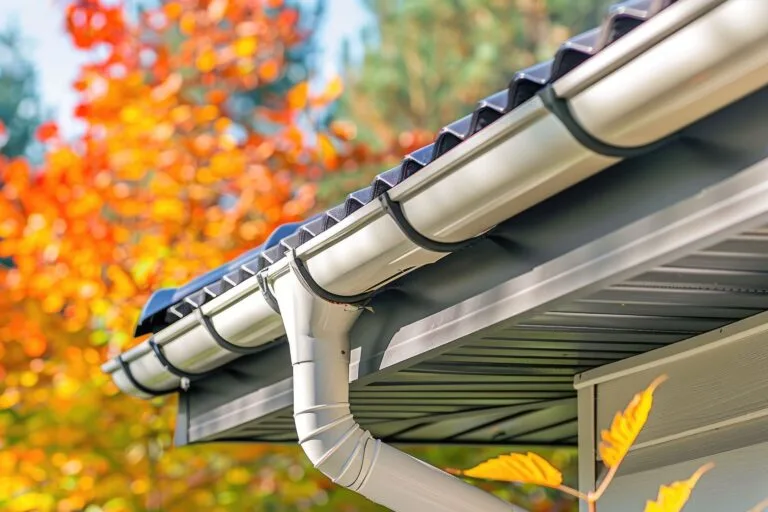
Roof valleys collect water from adjoining slopes. During autumn, leaves and small branches often settle in these channels, creating obstacles that slow drainage.
Heavy snow can cover existing debris and make the area difficult to inspect until temperatures rise.
Blocked valleys increase the possibility of water backup
Where runoff cannot move freely, moisture can collect near roofing seams and flashing connections.
A professional inspection identifies accumulated debris, deteriorated materials, and damaged valley components that require attention before freezing conditions arrive.
Gutters should be evaluated alongside the roof
Loose gutters and blocked downspouts contribute to drainage problems around the roofline. Water overflowing behind a gutter can reach fascia boards or siding.
Maintaining clear drainage paths reduces unnecessary moisture exposure during autumn rain and winter thaw periods.
Ice dams are an important concern for Orland Park homeowners
Ice dams develop when snow melts on warmer roof sections and refreezes near colder eaves. As ice accumulates, water may collect behind the frozen ridge and move beneath shingles.
The underlying cause frequently involves heat escaping into the attic, insufficient insulation, or ventilation problems.
Attic conditions influence the roof’s winter performance
Warm indoor air entering the attic can raise roof deck temperatures and contribute to uneven snow melting.
Inspectors may identify moisture stains, blocked ventilation openings, or signs of excessive heat loss that deserve further evaluation.
Ice and water protection provides additional defense
Self-adhering protective membranes installed beneath roofing materials help resist moisture intrusion in vulnerable locations.
Although these materials do not prevent ice dams from forming, they can reduce the risk of water reaching the roof deck when backup occurs.
Attic ventilation and insulation play important supporting roles
Homeowners sometimes focus exclusively on shingles when evaluating winter readiness. However, attic conditions affect moisture control and roof performance throughout the year.
Insufficient insulation allows indoor heat to escape, while obstructed ventilation can trap humid air beneath the roof deck.
Moisture signs inside the attic should not be overlooked
Damp insulation, stained wood, rusted fasteners, and persistent condensation may indicate problems with airflow or water entry.
A roofing inspection can identify visible concerns, although correcting insulation or ventilation problems may require additional evaluation.
Balanced airflow helps protect roofing materials
A properly designed ventilation system allows air to enter through intake openings and exit through suitable exhaust vents.
Both sides of the system must function correctly. Installing additional vents without evaluating the existing arrangement is not automatically beneficial.
Homeowners should recognize signs that call for an earlier inspection
You do not need to wait for the first snowfall or a visible leak to investigate a roofing concern.
Certain warning signs suggest the roofing system needs professional attention, particularly after strong winds or heavy rain.
Watch for these signs around your property
- Shingles lying in the yard after a storm
- Dark ceiling stains or damp attic insulation
- Granules collecting beneath downspouts
- Loose flashing around chimneys or vents
- Sagging gutters and damaged fascia boards
These observations provide useful information, but they do not establish the full condition of the roof.
Unusual interior changes may reveal concealed damage
Peeling paint near upper walls, moisture around skylights, or recurring stains during rainfall can indicate water intrusion.
Documenting when these symptoms appear helps inspectors identify possible sources.
What happens during a free winter roof inspection in Orland Park
Homeowners searching for winter roof inspection Orland Park services often want to know what the appointment involves.
The process typically begins with a discussion of the roof’s age, previous repairs, recent storms, and any visible concerns.
A roofing professional then evaluates accessible components using appropriate safety procedures. The inspection method depends on roof slope, surface conditions, and safe access.
Photos help explain findings that homeowners cannot see
Images of damaged shingles, worn flashing, and other problem areas make inspection recommendations easier to understand.
Clearway Exteriors can discuss observed conditions and explain which issues deserve immediate attention.
A written recommendation helps homeowners plan
After the assessment, homeowners should understand whether the roof needs maintenance, targeted repair, additional investigation, or replacement.
A free inspection does not obligate you to authorize work. Its purpose is to provide useful information before deciding what happens next.
A local roofing contractor can help identify winter vulnerabilities
Working with a roofing contractor familiar with the southwest Chicago suburbs brings practical knowledge of seasonal weather and common residential roofing systems.
A homeowner comparing a roofing contractor Orland Park IL service should look for appropriate licensing, insurance, clear inspection findings, and a written explanation of recommended work.
Repair recommendations should follow the actual roof condition
A qualified contractor should distinguish ordinary aging from damage that affects weather protection.
Replacing an entire roof because of one isolated problem is not always necessary. Likewise, patching widespread deterioration may not provide dependable results.
Roof repairs are often easier to address before snow arrives
Localized damage can sometimes be corrected without replacing the entire roofing system.
Professional Roof-repair services may involve replacing damaged shingles, correcting flashing, repairing pipe boots, or securing vulnerable roof edges.
Early repairs reduce exposure to changing weather
When worn roofing components remain exposed throughout winter, snow melt and freezing temperatures can increase existing problems.
Completing appropriate repairs before severe weather offers greater scheduling flexibility and helps protect interior materials.
Repair scope should include the surrounding components
A damaged pipe boot may be the primary leak source, but nearby shingles and underlayment should also be evaluated.
Addressing the actual water entry path helps reduce the likelihood of recurring problems.
Roof installation may be necessary when deterioration is widespread
Some roofs have reached a condition where additional patching offers limited value.
Repeated leaks, extensive shingle failure, compromised decking, and widespread storm damage may justify a discussion about replacement.
Complete installation involves more than new shingles
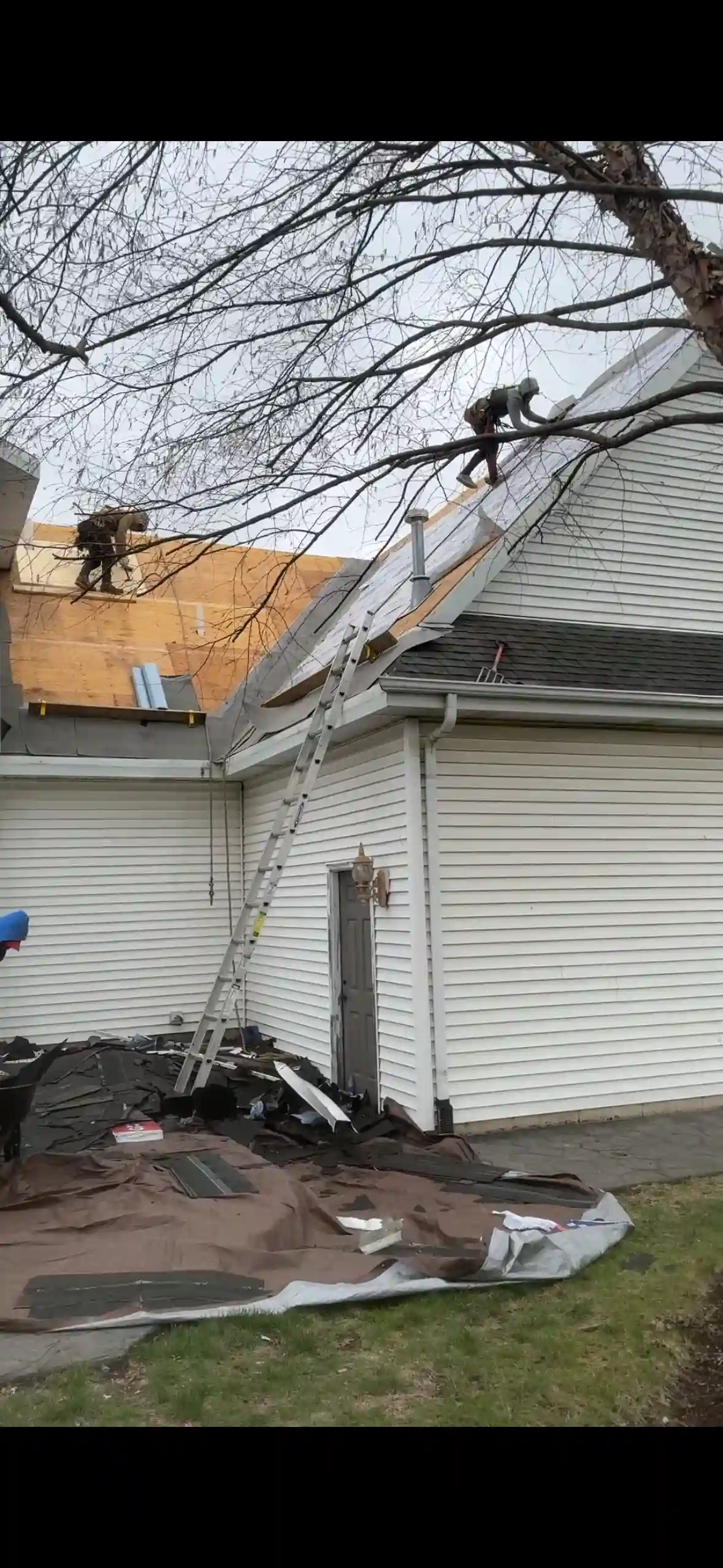
Professional Roof installation includes appropriate underlayment, flashing, roof edge details, ventilation planning, and compatible roofing materials.
The roof deck should also be examined when the existing covering is removed.
Winter planning should account for installation conditions
Temperature, moisture, material requirements, and crew safety can affect scheduling.
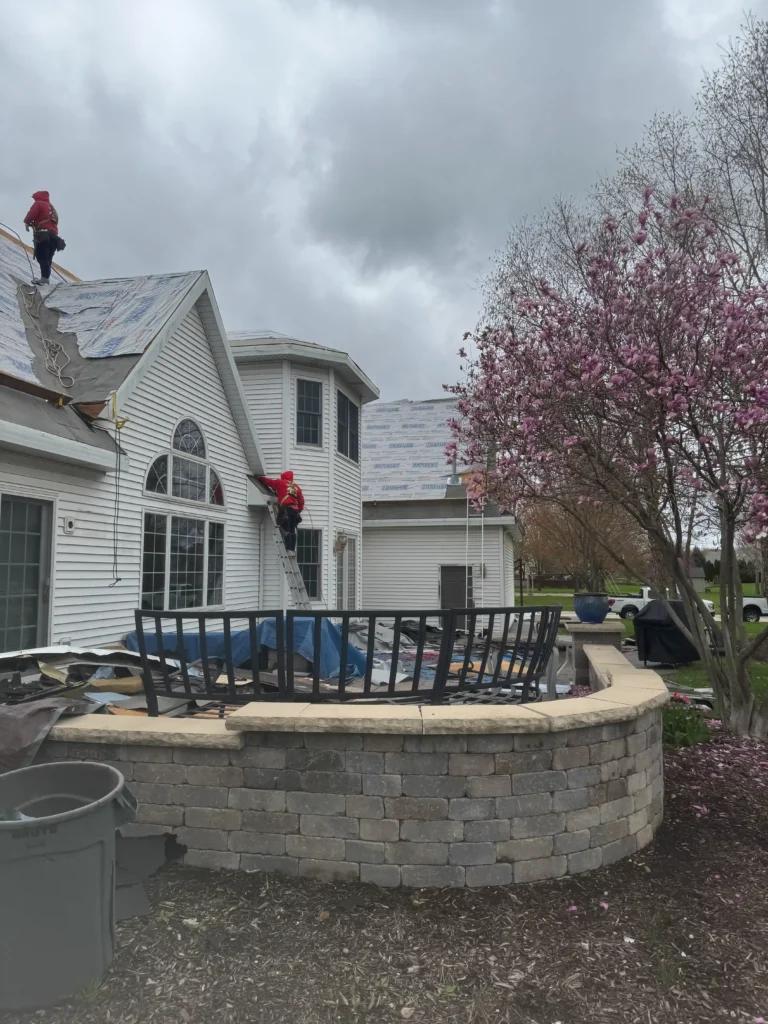
Homeowners considering replacement should discuss project timing and installation procedures before freezing weather becomes persistent.
How to prepare for your pre-winter roof inspection appointment
A little preparation helps inspectors understand the property’s history and concentrate on areas of concern.
Homeowners can collect photographs from previous storms, identify recurring leak locations, and note the approximate age of the roofing system.
Share important details before the inspection begins
Useful information includes:
- Previous roof repair dates and known leak locations
- Recent hail or wind events affecting the neighborhood
- Interior stains that appear during heavy rainfall
- Gutter overflow or ice buildup from previous winters
- Areas where roofing materials look loose or damaged
These observations help create a more complete picture of the roofing system.
Keep the surrounding property accessible
Move vehicles when necessary and ensure safe access to relevant exterior areas. If attic inspection is appropriate, clear access to the attic entrance.
Homeowners should avoid climbing onto the roof or attempting to remove materials themselves.
How a roof check before snow helps with long-term maintenance
A roof check before snow is useful even when the inspection reveals no immediate problems.
Documenting the roof’s current condition creates a reference point for future maintenance decisions and storm damage comparisons.
Inspection records help identify changes over time
Photographs taken before winter can be compared with later inspections following hail, wind, or severe weather.
This documentation supports better maintenance planning and helps homeowners recognize developing problems.
Why local roof inspections matter for different Orland Park homes
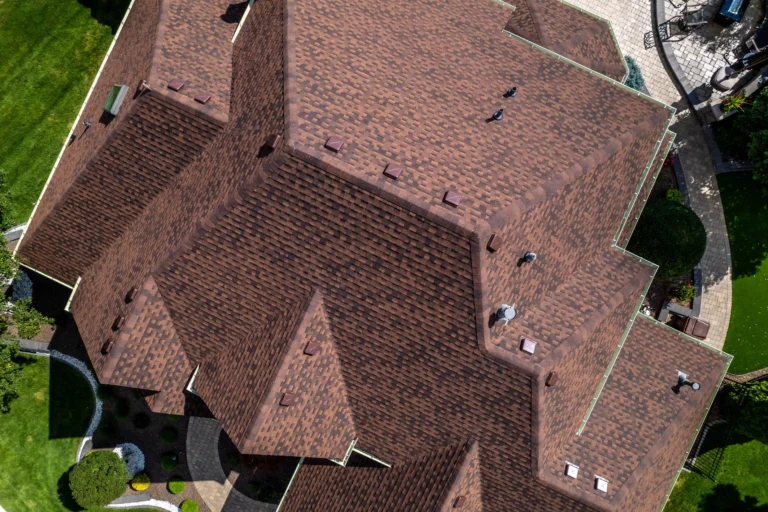
Orland Park includes ranches, split levels, and larger two-story properties with varying roof slopes and architectural details.
Older homes may have flashing or ventilation arrangements that differ from newer construction. Steeper roofs and multiple valleys also create different inspection requirements.
Every roof deserves an individual assessment
The age of a neighborhood does not automatically determine whether a roof needs replacement.
Roofing materials, installation quality, maintenance history, and storm exposure all affect the actual condition.
Conclusion
Scheduling a free roof inspection Orland Park IL homeowners can arrange before winter is a practical way to understand existing roof concerns before snow and freezing temperatures complicate repairs.
A proper inspection reviews shingles, flashing, drainage, roof edges, and visible attic conditions. The findings help determine whether the home needs maintenance, localized repairs, or more extensive work.
Call Clearway Exteriors at (866) 328-1110 to request a free pre-winter roof inspection and discuss your home’s roofing needs in Orland Park and nearby Chicagoland communities.
Free Pre-Winter Roof Inspection FAQs
What does a free roof inspection in Orland Park include?
A free roof inspection typically reviews shingles, flashing, vents, roof valleys, gutters, drainage, and visible storm damage. Accessible attic areas may also be checked when moisture or ventilation concerns are present.
Why should I schedule a roof inspection before the first snowfall?
Scheduling an inspection before snowfall helps identify damaged roofing materials, drainage problems, and flashing concerns while conditions are more suitable for inspection and repairs. It also provides time to plan necessary work before winter weather arrives.
Can a roof inspection help prevent winter leaks?
A roof inspection can identify conditions that contribute to winter leaks, including loose shingles, damaged flashing, blocked drainage, and vulnerable roof edges. Correcting these issues can reduce the risk of water intrusion.
Does a free roof inspection mean I must schedule repairs?
No. A free roof inspection does not require you to authorize repairs. The inspection provides information about the roof’s condition so you can decide whether maintenance, repair, replacement, or monitoring is appropriate.
When should I contact a roofing contractor in Orland Park?
Contact a roofing contractor if you notice missing shingles, roof leaks, ceiling stains, damaged flashing, loose gutters, attic moisture, or visible storm damage. Scheduling an assessment before winter can help identify problems early.