When severe weather moves through Orland Park, the damage left behind is not always obvious. A few missing shingles, a dented gutter, or a small ceiling stain may seem manageable at first. However, these warning signs can indicate deeper roofing problems that become more expensive when another storm arrives. Understanding storm damage roof repair Orland Park IL homeowners need is the first step toward protecting the property and avoiding unnecessary delays.
Orland Park homes face strong winds, hail, heavy rain, and seasonal temperature changes. Older asphalt shingles may be particularly vulnerable to lifting and cracking, while newer roofing systems can still experience damage around flashing, vents, and roof edges. Falling branches and flying debris can also affect gutters, siding, and windows during the same storm.
Knowing what to do after roof storm damage helps homeowners make safer decisions. Instead of climbing onto the roof or agreeing to immediate replacement, begin with property safety, visible documentation, and professional inspection.
Clearway Exteriors provides roof inspections and storm restoration services throughout Orland Park and nearby Chicagoland communities. This guide explains the important steps from the first property check through permanent repairs and future storm preparation.
Step 1: Make sure your home is safe after the storm passes
Safety should always come before roofing inspections or cleanup. Severe storms can leave broken branches, loose roofing materials, damaged electrical equipment, and unstable structures around the property.
Wait until the weather has cleared before walking outside. Examine the surroundings carefully and avoid areas where large branches or roofing debris could fall.
Check for immediate hazards around the property
Downed power lines, broken glass, damaged trees, and unstable exterior materials require particular caution. Treat fallen electrical lines as energized and contact the utility provider or emergency services when necessary.
If a tree has fallen onto the roof, avoid entering areas where ceilings or structural components appear damaged.
Stay off the roof until a professional has assessed it
Wet roofing materials are slippery, and storm damage can weaken decking beneath the shingles.
Even a roof that looks stable from the ground may have concealed damage. A qualified professional can determine whether roof access is safe.
Step 2: Look for storm damage from the ground
After confirming the surrounding area is safe, begin a visual inspection from the driveway or yard.
Look at the roofline, gutters, siding, chimneys, vents, and nearby exterior surfaces. This initial check can identify obvious damage without putting yourself at risk.
Common roof damage signs include
- Missing, cracked, lifted, or displaced shingles
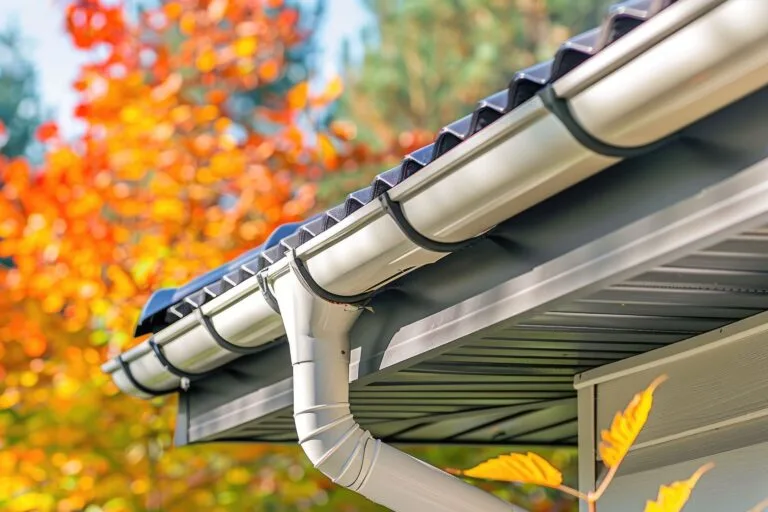
- Bent gutters and detached downspouts
- Broken ridge caps or damaged roof vents
- Shingle granules collecting near drainage outlets
- Fallen branches or roofing debris in the yard
Photograph visible damage from a safe location. These images may help explain what happened during the storm.
Wind and hail can affect roofing materials differently
Strong wind frequently damages shingle edges, ridge areas, and flashing connections. Hail may create impact marks, granule loss, or bruising on asphalt shingles.
A single storm can produce both kinds of damage, making professional inspection important.
Step 3: Protect interior rooms when the roof begins leaking
Water entering the home requires prompt attention. Active leaks can damage ceilings, insulation, flooring, furniture, and electrical components.
Move valuable belongings away from the affected area when it is safe. Place containers beneath dripping water and photograph visible moisture.
Interior stains may appear far from the roof opening
Rainwater can travel along rafters, decking, or insulation before reaching a finished ceiling.
For this reason, the visible stain does not always identify the original entry point.
Electrical hazards should never be ignored
Water near light fixtures, outlets, or electrical panels creates additional risks.
Avoid touching affected equipment and contact a qualified electrician when electrical components may have become wet.
Step 4: Arrange temporary roof protection if necessary
Major storm damage may expose roofing underlayment or decking to additional rainfall. Temporary protection can help reduce further moisture intrusion until permanent repairs are possible.
Professional roof tarping involves covering vulnerable roof sections with suitable materials and securing the covering without unnecessarily damaging surrounding components.
Temporary coverings provide short-term protection
A tarp is not a permanent roofing solution. Wind, rain, and prolonged exposure can affect its performance, so the damaged area still requires inspection and repair.
Homeowners should avoid attempting roof tarping themselves, particularly when the roof is steep or wet.
Emergency protection should focus on preventing additional damage
Temporary work may involve securing loose materials, protecting exposed openings, or covering damaged roof sections.
The long-term repair plan should be developed after the roofing system has been properly assessed.
Step 5: Schedule a professional roof damage inspection
A thorough inspection helps determine whether storm damage is isolated or widespread.
Contractors examine shingles, flashing, vents, roof valleys, gutters, and visible attic conditions when appropriate. They also look for damage that cannot be identified from ground level.
A local roofing contractor can explain the actual damage
An experienced roofing contractor can distinguish storm-related damage from normal material aging and previous installation problems.
For homeowners searching for emergency roof repair Orland Park services, this distinction matters because the correct repair depends on the underlying cause.
Inspection photographs support clearer recommendations
Pictures of lifted shingles, damaged flashing, missing materials, and roof penetrations help homeowners understand the findings.
A written assessment should identify affected areas and explain whether maintenance, repair, or replacement is recommended.
Step 6: Document everything before permanent repairs begin
Accurate documentation is helpful after significant storms, particularly when homeowners plan to contact their insurance company.
Record the approximate storm date, photograph visible damage, and keep track of temporary protection work.
Organize your storm damage records
Keep the following information together:
- Photographs of exterior and interior damage
- Professional inspection reports
- Temporary repair invoices
- Written roofing estimates
- Insurance correspondence and claim information
These records help establish a timeline and reduce confusion during the restoration process.
Clear documentation should describe actual conditions
Avoid guessing about the extent of hidden damage or presenting ordinary aging as storm damage.
Professional inspection findings provide a more reliable basis for repair planning.
Step 7: Review your homeowners insurance coverage
Insurance may cover certain sudden roof damage caused by hail or wind. However, coverage varies by policy, deductible, exclusions, roof condition, and the insurer’s assessment.
Before filing a claim, review your policy or contact your insurance representative to understand applicable requirements.
Roofing contractors and insurance adjusters have different responsibilities
A roofing contractor inspects physical damage, documents findings, and prepares repair estimates.
The insurance adjuster evaluates the reported loss according to the policy. Contractors should not promise claim approval or guarantee payment.
Reporting timelines should be checked promptly
Insurance policies may contain notice requirements or other conditions affecting claims.
Keeping photographs and inspection records organized helps homeowners communicate accurately with their insurer.
Step 8: Decide whether roof repair or replacement is necessary
Not every storm-damaged roof needs complete replacement.
A few missing shingles, localized flashing damage, or an isolated roof penetration problem may be corrected with targeted repairs.
Roof-repair work can restore isolated damaged areas
Professional Roof-repair services may involve replacing damaged shingles, restoring flashing, repairing vents, or correcting vulnerable roof edges.
The surrounding roofing materials should also be inspected to confirm that the repair will integrate properly.
Widespread damage may justify roof replacement
If several roof slopes have extensive storm damage, the existing materials are severely deteriorated, or decking has been compromised, replacement may become the more practical option.
An inspection should explain why repair is insufficient before homeowners approve a larger project.
Step 9: Understand what permanent roof restoration involves
A lasting repair depends on restoring the roofing system rather than simply covering the visible damage.
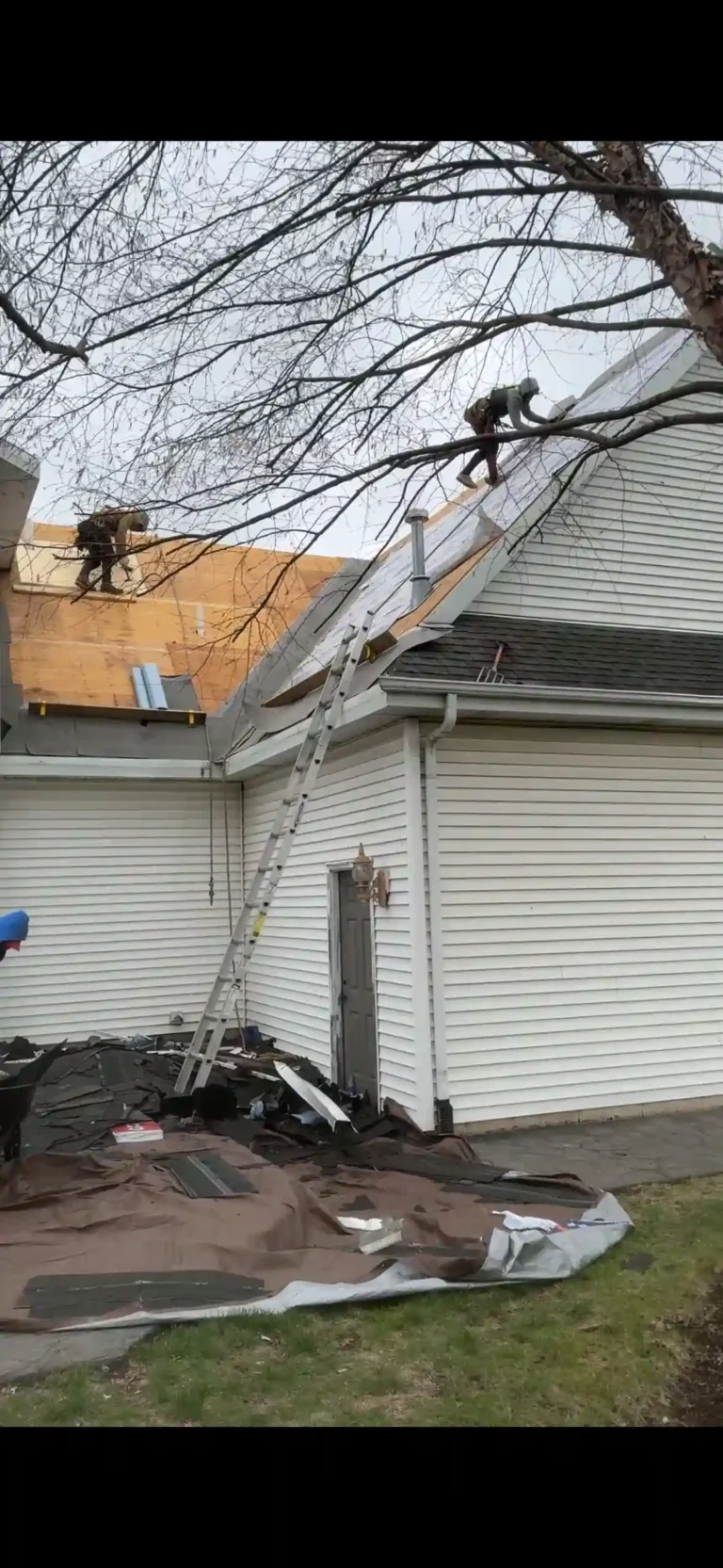
When significant replacement work is required, contractors evaluate the roof deck, underlayment, flashing, ventilation, and drainage details.
Proper roof installation protects the vulnerable areas
During Roof installation, materials should be installed according to manufacturer requirements and the roof’s design.
Flashing around chimneys, roof penetrations, walls, and valleys deserves particular attention because these areas frequently become leak points.
Underlayment provides secondary moisture protection
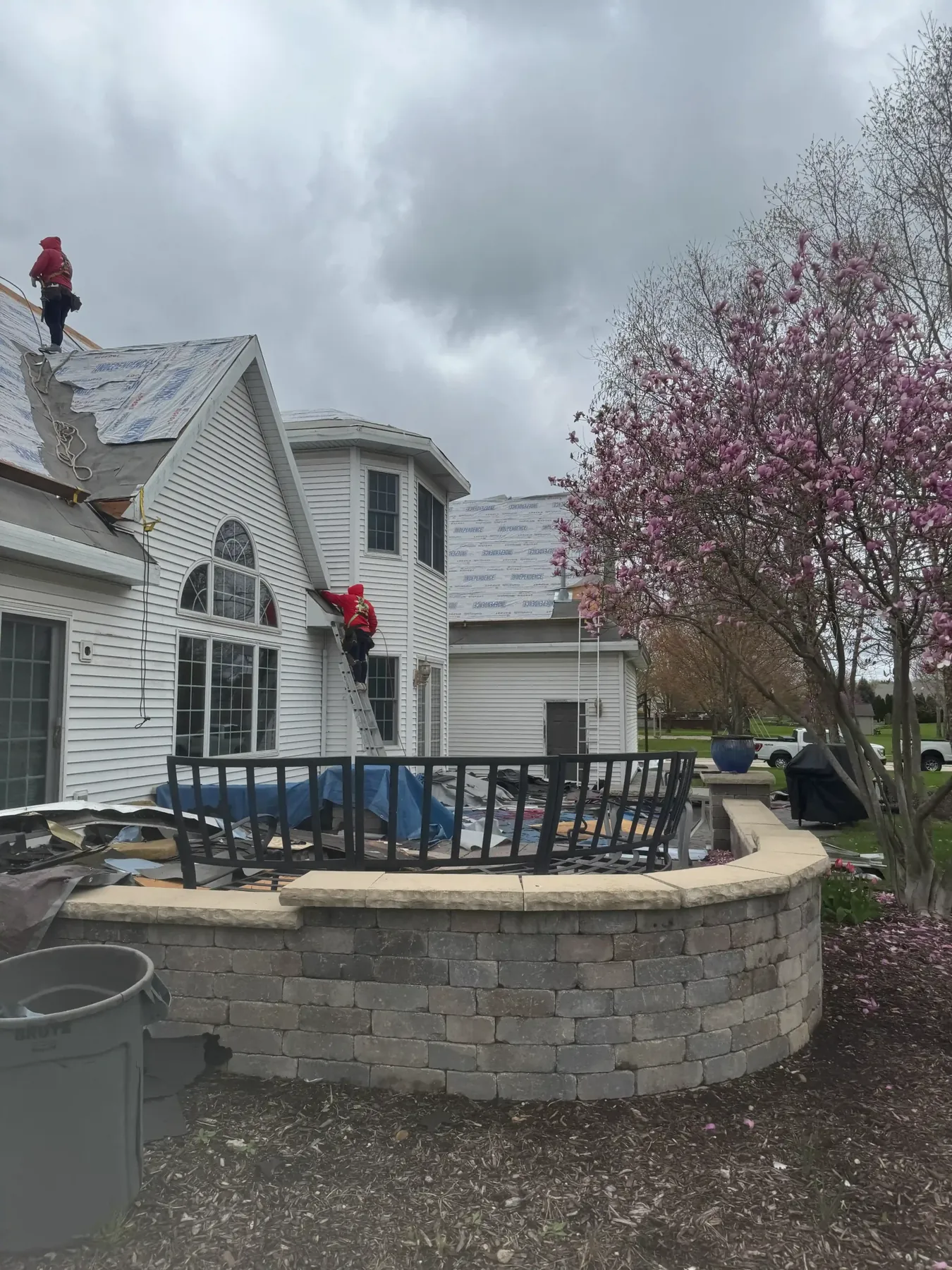
Roof underlayment helps protect the decking when water gets beneath the primary roof covering.
Damaged or unsuitable underlayment should be addressed during the restoration work rather than concealed beneath new shingles.
Step 10: Compare roofing estimates before approving repairs
A written estimate helps homeowners understand the proposed work, materials, labor, cleanup, and warranty terms.
Comparing only the total price may overlook important differences in project scope.
A detailed estimate should explain the complete repair
Look for descriptions of damaged areas, replacement materials, flashing work, underlayment requirements, and disposal.
Contractors should also explain how unexpected decking damage will be handled if discovered during removal.
Communication matters throughout the project
Homeowners should understand scheduling expectations, payment terms, and the process for reporting additional concerns.
A dependable contractor provides clear explanations rather than pressuring homeowners into immediate decisions.
Why Orland Park roofs require careful storm damage evaluations
Orland Park includes ranch homes, split levels, and larger two-story properties with different roofing designs.
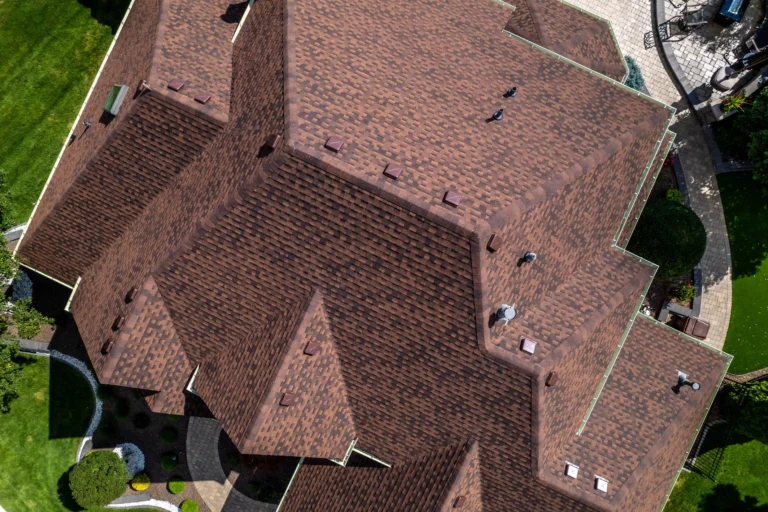
Some houses have multiple valleys and dormers, while others feature broad roof slopes or attached garages. These variations influence where storm damage may occur.
Mature trees create additional storm risks
Branches can scrape shingles, damage gutters, or fall onto roof sections during strong winds.
Professional tree maintenance can reduce some risks, although severe storms may still cause unexpected damage.
Roof drainage also affects restoration needs
Clogged gutters and displaced downspouts can contribute to water accumulation around fascia and siding.
Restoring proper drainage helps protect the repaired roof and surrounding exterior materials.
What homeowners should do after repairs are completed
A completed roof repair should be followed by a final review of workmanship, visible materials, and site cleanup.
Homeowners should retain invoices, warranty information, inspection photographs, and repair records for future reference.
Future maintenance helps protect the roofing investment
Seasonal inspections can identify loose flashing, damaged shingles, drainage problems, and wear before the next major storm.
Keeping gutters clear and trimming overhanging branches also supports better exterior performance.
Conclusion
Understanding storm damage roof repair Orland Park IL homeowners need makes the recovery process safer and more manageable. Begin by checking the property for hazards, documenting visible damage, and protecting interior areas from active leaks.
Professional inspections help determine whether temporary protection, targeted repairs, or full replacement is appropriate. Clear estimates and organized records support better decisions throughout the restoration process.
Clearway Exteriors provides roofing inspections and storm restoration services throughout Orland Park and nearby Chicagoland communities, helping property owners address wind, hail, and water damage. For professional assistance, call (866) 328-1110 to discuss your roofing concerns or schedule an inspection at our office located at 18521 Spring Creek Drive Unit B, Tinley Park, IL 60477.
Storm Damage Roof Repair FAQs
What should I do immediately after storm damage to my roof?
Check the property safely from the ground, photograph visible damage, protect interior belongings from active leaks, and contact a roofing professional for an inspection. Avoid climbing onto a wet or damaged roof.
When is emergency roof repair necessary in Orland Park?
Emergency roof repair is necessary when storm damage causes active leaks, exposed decking, missing roofing sections, or openings that allow water into the home. Temporary protection may be required before permanent repairs begin.
How does roof tarping help after storm damage?
Roof tarping provides temporary weather protection over damaged roofing areas to help limit additional water entry. It does not replace permanent repairs and should be followed by a professional inspection.
Can storm-damaged shingles be repaired without replacing the entire roof?
Yes. Localized shingle damage can often be repaired when surrounding roofing materials remain in suitable condition. Widespread deterioration, extensive storm damage, or compromised decking may require replacement.
Does homeowners insurance cover storm damage roof repair?
Homeowners insurance may cover sudden wind or hail damage depending on the policy, deductible, exclusions, and insurer’s findings. A roofing contractor can document damage and provide estimates, but the insurance company determines coverage.