
Winter can reveal roofing problems that remained unnoticed throughout the warmer months. A loose shingle, deteriorating flashing, or blocked gutter may not cause an immediate leak during autumn. However, once snow accumulates and temperatures begin changing, these small weaknesses can become serious concerns. Scheduling a free roof inspection New Lenox IL homeowners can arrange before winter provides an opportunity to identify problems before they affect the interior of the home.
New Lenox experiences cold winters, snowfall, freezing rain, and seasonal storms that place additional demands on residential roofing systems. Asphalt shingles must resist wind and moisture, while flashing, gutters, and roof edges need to manage melting snow. Attic conditions also influence winter roof performance because trapped heat and moisture can contribute to condensation and ice dam formation.
Clearway Exteriors provides free roofing inspections for homeowners throughout New Lenox and nearby Chicagoland communities. Rather than waiting for ceiling stains or emergency repairs, homeowners can use an inspection to understand the current condition of their roof.
This guide explains the five important areas we check during a pre-winter inspection, the warning signs homeowners should recognize, and how early maintenance helps reduce seasonal roofing problems.
Why scheduling a roof inspection before winter is important
Autumn provides a practical opportunity to evaluate roofing materials after summer storms and before winter conditions make repairs more difficult.
Strong winds may have loosened shingles without removing them completely. Heavy rain may have exposed weak flashing, while fallen leaves can collect in drainage areas.
Small roof problems often become more noticeable during winter
Moisture entering through damaged shingles or flashing may freeze when temperatures drop. Repeated freezing and thawing can increase stress around existing gaps and deteriorating materials.
A problem that requires a relatively small repair during fall may become more complicated if water reaches insulation, drywall, or roof decking.
Early inspections give homeowners more time to plan
Scheduling repairs before prolonged snowfall provides flexibility when reviewing estimates and arranging materials.
Winter weather can limit safe roof access, making preventive inspections especially valuable for homes with aging roofing systems or previous storm exposure.
1. We check shingles for wear, lifting, and storm damage
Shingles form the visible protective surface of most residential roofs in New Lenox. Their primary purpose is to shed rainwater and protect the underlying roofing materials.
During a professional inspection, we examine accessible shingles for signs of deterioration, wind damage, hail impact, and previous installation problems.
Missing or lifted shingles can expose vulnerable areas
Strong winds sometimes loosen shingle edges without completely removing the material. A lifted shingle may settle back against the roof after the storm, making the damage difficult to identify from ground level.
Once the adhesive seal is compromised, additional wind or moisture can increase the possibility of water reaching the underlayment.
Granule loss can indicate aging or impact damage
Asphalt shingles contain protective mineral granules that help shield the underlying asphalt from sunlight and weather exposure.
Excessive granule loss may appear as dark patches on shingles or accumulated material near downspouts. Although some granule shedding occurs naturally, significant surface deterioration deserves professional evaluation.
Shingle condition helps determine the next step
An inspection considers whether damage is isolated or widespread. A few damaged shingles may be repairable, while deterioration across multiple slopes can indicate a larger roofing concern.
Recommendations should reflect the roof’s actual condition rather than its age alone.
2. We inspect flashing, vents, and roof penetrations
Roof openings and transitions are among the most vulnerable areas for moisture intrusion. Chimneys, skylights, plumbing vents, and wall intersections require flashing to direct water away from the roof assembly.
When these protective connections loosen or deteriorate, rain and melting snow may enter beneath the roofing surface.
Flashing damage can cause leaks that are difficult to trace
Water entering around a chimney or vent does not always appear directly beneath the opening. Moisture may travel along decking or structural framing before becoming visible indoors.
For this reason, a proper inspection includes surrounding roofing materials and the condition of adjacent flashing.
Pipe boots and ventilation components need attention
Rubber pipe boots can crack as they age. Metal vent components may become loose or damaged during strong winds.
Small openings around these penetrations can develop into leak points during winter precipitation.
Earlier repairs should be checked for continued performance
Previously applied sealants or replacement flashing may deteriorate over time. Inspecting these areas helps determine whether the original repair remains effective.
Correcting vulnerable connections before snow arrives can reduce unexpected moisture problems.
3. We examine gutters, downspouts, and roof drainage
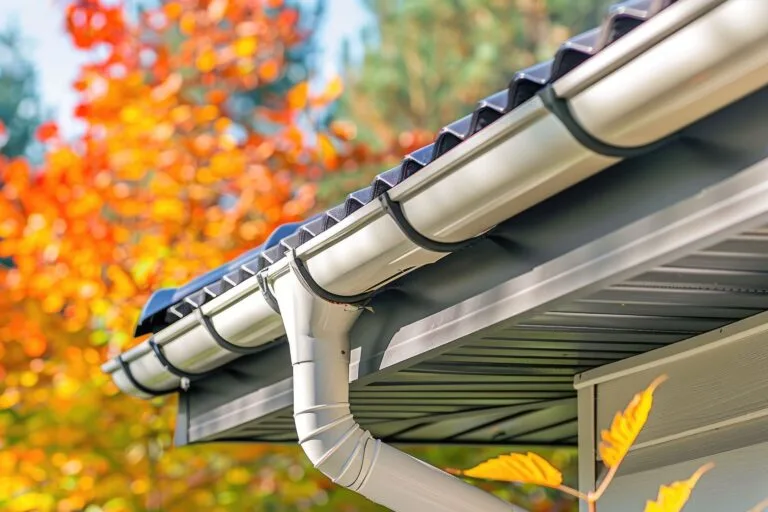
Gutters play an important role in moving water away from the roofline, siding, and foundation. When debris blocks the system, rainwater and melting snow may overflow or remain trapped.
New Lenox homes surrounded by mature trees can experience significant leaf accumulation during autumn.
Clogged gutters can become more problematic in freezing weather
Leaves, twigs, and roofing granules can obstruct gutter outlets and downspouts. As temperatures fall, standing water may freeze and place additional weight on the gutter system.
Existing loose hangers or damaged fascia boards can make these conditions more troublesome.
Downspouts should direct water away from the home
Properly connected downspouts help prevent runoff from accumulating near foundation walls, landscaping, and walkways.
Inspection includes visible drainage concerns that may affect the building during winter thaw periods.
Roof valleys also need clear drainage paths
Valleys collect runoff from adjoining roof slopes and often trap debris.
Blocked valleys can increase moisture exposure around roofing seams and flashing. Clearing these areas before snowfall helps restore normal drainage.
4. We review roof edges for ice dam vulnerabilities
Roof edges deserve special attention during winter preparation because snow melt can refreeze near colder eaves.
When ice forms a ridge along the roof edge, additional melting snow may collect behind it. This condition is commonly called an ice dam.
Ice dams can cause water to move beneath shingles
Shingles are designed primarily to shed water moving down the roof. Standing water backed up behind ice can reach vulnerable areas beneath the roofing surface.
Proper underlayment and ice and water protection can help reduce moisture intrusion, although these materials do not prevent ice dams from forming.
Fascia and soffit conditions affect roof edge protection
Damaged fascia may allow gutters to loosen, while blocked soffit vents can interfere with attic ventilation.
Inspecting these components helps identify connected problems before winter exposure increases.
Roof edge protection must work with attic conditions
Ice dam prevention often involves reducing heat loss into the attic and maintaining appropriate ventilation.
Repairing surface damage alone may not resolve recurring ice dam problems if attic heat transfer remains excessive.
5. We look for attic moisture and ventilation concerns
The fifth part of our roof inspection checklist focuses on the conditions beneath the roofing surface when attic access is available and appropriate.
The attic can reveal moisture problems that have not yet reached finished ceilings. It also provides information about heat movement and ventilation performance.
Moisture stains can indicate hidden roofing problems
Discolored roof decking, damp insulation, rusted nails, and persistent musty odors may suggest unwanted moisture.
However, these conditions do not always indicate an exterior roof leak. Condensation caused by indoor air movement can produce similar symptoms.
Ventilation helps manage attic heat and humidity
A properly designed ventilation system allows air to enter through intake openings and exit through suitable exhaust vents.
Blocked soffit vents or poorly arranged ventilation components can interfere with airflow.
Insulation and air sealing support winter performance
Insulation helps reduce heat transfer from occupied rooms into the attic. Air sealing limits warm indoor air escaping through gaps around attic hatches and other openings.
These improvements can help reduce conditions associated with uneven snow melting and winter moisture accumulation.
What homeowners should expect during a free pre-winter roof inspection
A pre-winter roof check begins with understanding the homeowner’s concerns. Recent storms, previous leaks, roof age, and repair history provide useful context.
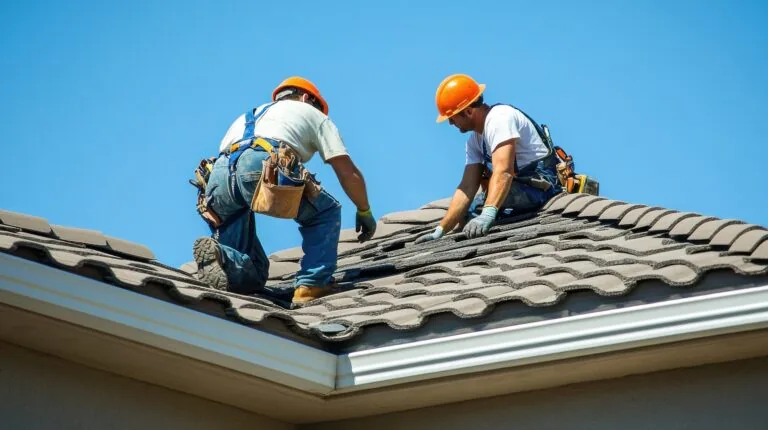
The inspector then evaluates accessible roofing components using suitable safety procedures.
Inspection findings should be explained clearly
Photographs can help homeowners understand damaged shingles, loose flashing, or other conditions that are difficult to observe from the ground.
A written explanation should identify which areas require immediate attention and which can be monitored.
A free inspection does not mean automatic replacement
Some inspections reveal that the roof remains in suitable condition and requires no immediate work.
Other evaluations identify localized damage that can be addressed through maintenance or targeted repair.
The purpose is to understand the roof before making a financial decision.
How a roofing contractor determines whether repairs are necessary
Working with a qualified roofing contractor helps homeowners distinguish routine aging from damage that affects weather protection.
A dependable roofer New Lenox IL homeowners choose should explain findings without relying on pressure or unclear recommendations.
Roof-repair services can correct isolated damage
Professional Roof-repair work may include replacing damaged shingles, restoring flashing, repairing pipe boots, or securing vulnerable roof edge components.
When surrounding materials remain sound, targeted repairs can often restore the affected area’s performance.
Repair recommendations should reflect the full roofing system
A small leak may involve more than one visible defect. The contractor should identify the actual moisture entry path before determining the repair scope.
Correcting the source helps reduce the chance of recurring problems.
When roof installation becomes the better long-term option
Some roofs have widespread deterioration that limits the effectiveness of repeated repairs.
Extensive shingle damage, persistent leaks, compromised decking, and aging materials may justify a discussion about replacement.
Proper roof installation includes several protective components
During Roof installation, contractors should evaluate the deck and install appropriate underlayment, flashing, roof edge materials, ventilation, and compatible roofing products.
A complete installation plan considers the entire roof assembly rather than focusing only on new shingles.
Winter weather can affect installation scheduling
Cold temperatures, moisture, and manufacturer installation requirements can influence roofing work.
Homeowners considering replacement should discuss suitable timing before prolonged freezing conditions arrive.
How homeowners can prepare for their inspection appointment
A roofing inspection becomes more useful when homeowners share information about previous problems.
Before the visit, gather any available photographs, maintenance records, and details about recent storms.
A simple homeowner preparation checklist
- Record areas where ceiling stains or leaks have appeared
- Note recent hail, wind, or heavy rainfall
- Identify previous roof repair locations
- Clear access to attic areas if inspection is appropriate
- Photograph visible exterior damage from safe locations
These details help the inspector understand concerns that may not be immediately obvious.
Homeowners should avoid climbing onto the roof
Steep slopes, loose shingles, and wet surfaces create fall hazards.
Professional inspection provides a safer method of evaluating roofing components that cannot be examined from the ground.
Why New Lenox homes benefit from individual roof assessments
Residential properties throughout New Lenox have different rooflines, construction ages, and exterior arrangements.
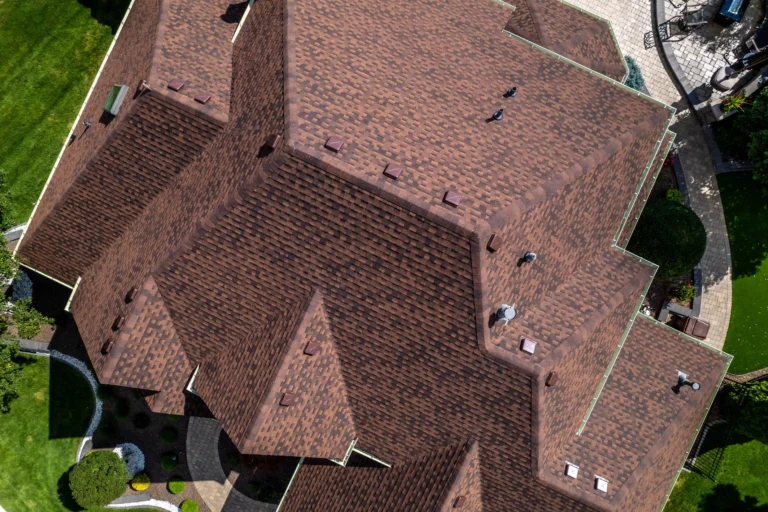
Some homes have broad roof slopes and simple drainage systems. Others include dormers, valleys, attached garages, and multiple roof elevations.
Roof design influences inspection priorities
Valleys and wall intersections require careful attention to flashing and drainage. Homes with extensive tree coverage may experience more debris accumulation.
Older roofs may have materials or ventilation arrangements that differ from newer construction.
Maintenance history matters more than appearance alone
Two neighboring homes built during the same period can have very different roof conditions.
Previous replacements, storm exposure, repairs, and ventilation performance influence how each roofing system ages.
What happens when the inspection finds no major problems?
A clean inspection is still useful. It provides a current understanding of the roof’s visible condition and helps homeowners plan future maintenance.
Photographs and inspection notes can serve as a reference after subsequent storms.
Monitoring can be appropriate when repairs are unnecessary
Not every worn component requires immediate replacement.
A professional may recommend periodic observation when the roof remains functional and no urgent defect is identified.
Future inspections help identify changes
Comparing conditions over time makes it easier to recognize new storm damage, developing drainage concerns, or material deterioration.
Why booking before the first major snowfall is a practical decision
Fall inspections provide more opportunities to address minor roofing problems before winter weather complicates access.
A cracked vent boot or loose flashing connection is easier to assess when snow and ice are not covering the roof.
Preventive maintenance reduces unnecessary disruption
Small repairs completed before winter may help prevent moisture from reaching insulation and interior finishes.
Early planning also allows homeowners to review written estimates and select appropriate materials without the pressure of an active leak.
Conclusion
Scheduling a free roof inspection New Lenox IL homeowners can arrange before winter helps identify roofing problems before snow and freezing temperatures make them more difficult to address.
The five important inspection areas include shingles, flashing and vents, drainage systems, roof edges, and accessible attic conditions. Together, these components influence how well a home handles winter weather.
Whether the inspection reveals a healthy roof, a small repair need, or a larger concern, the findings help homeowners make informed decisions about maintenance and replacement.
Clearway Exteriors provides roof inspections, repairs, replacement, and exterior services throughout New Lenox and nearby Chicagoland communities, helping homeowners prepare for winter and maintain dependable roof protection. Call (866) 328-1110 to schedule a free pre-winter roof inspection .
Free Pre-Winter Roof Inspection FAQs
What does a free pre-winter roof inspection in New Lenox include?
A free pre-winter roof inspection typically includes checking accessible shingles, flashing, vents, gutters, roof valleys, and roof edges. Attic moisture and ventilation conditions may also be reviewed when access allows.
Why should I schedule a roof inspection before the first snowfall?
Scheduling a roof inspection before snowfall helps identify loose shingles, damaged flashing, drainage problems, and other vulnerabilities while conditions are more suitable for inspection and repair.
Can a free roof inspection help prevent winter roof leaks?
A roof inspection can identify conditions that contribute to leaks, such as damaged shingles, deteriorated flashing, blocked valleys, and vulnerable roof edges. Correcting these problems can reduce the risk of water intrusion.
Does every roof inspection lead to repair or replacement?
No. Some inspections show that the roof remains in good condition and requires no immediate work. Others identify localized damage suitable for repair or widespread deterioration that may justify replacement.
When should New Lenox homeowners contact a roofing contractor?
Homeowners should contact a roofing contractor after significant wind or hail damage, recurring leaks, missing shingles, ceiling stains, loose flashing, or visible roof deterioration. A preventive inspection before winter is also useful.