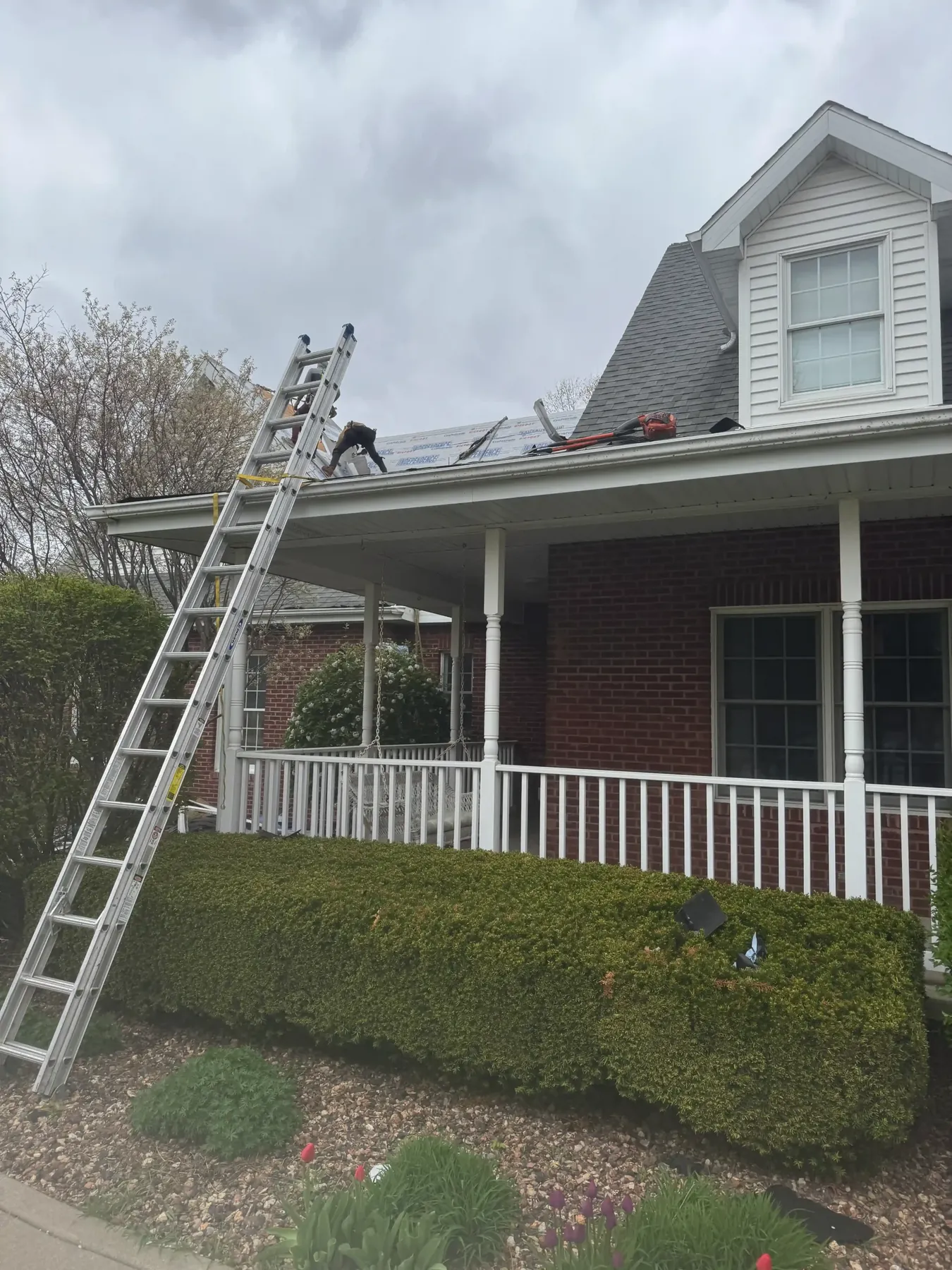
A small roof problem can remain unnoticed for months before winter weather turns it into an expensive repair. Missing granules, loose flashing, damaged shingles, and blocked gutters often develop without creating immediate leaks. Scheduling a free roof inspection Frankfort IL homeowners can arrange before heavy snowfall provides an opportunity to identify these concerns while repairs remain easier to plan.
Frankfort experiences changing weather throughout the year. Summer thunderstorms can weaken roofing materials, autumn winds may loosen shingles, and winter brings snow, freezing temperatures, and repeated thaw cycles. When existing roof damage meets these conditions, moisture can reach vulnerable areas beneath the roofing surface.
Homeowners often wait until water stains appear on ceilings before contacting a professional. Unfortunately, visible interior damage may indicate that moisture has already affected insulation, decking, or other concealed materials.
Clearway Exteriors provides roofing inspections and exterior services throughout Frankfort and surrounding Chicagoland communities. This guide explains what a winter roof inspection includes, which warning signs deserve attention, and how preventive maintenance helps protect your home.
Why scheduling a roof inspection before winter makes sense
Autumn creates an important opportunity to evaluate roofing conditions before prolonged freezing weather begins. Earlier storms may have damaged shingles or flashing without producing visible interior leaks.
Once snow accumulates, roof surfaces become more difficult to inspect. Ice can conceal damaged areas, while low temperatures may affect repair schedules and material installation requirements.
Early inspections help identify damage from previous storms
Hail can remove protective granules from asphalt shingles, while strong winds may weaken adhesive seals or displace ridge caps.
These issues do not always produce immediate leaks. A professional assessment can reveal developing problems before further weather exposure makes them worse.
Preventive planning provides more flexibility
Repairing a cracked pipe boot or securing loose flashing is generally easier to arrange before winter emergencies occur.
Homeowners who discover problems early have more time to review recommendations, understand pricing, and choose appropriate materials.
What a professional winter roof inspection actually covers
A complete roofing assessment examines more than the visible shingle surface. Roofs contain several connected components that direct water away from the structure.
Inspectors evaluate accessible roofing materials, flashing, drainage systems, roof penetrations, and related areas where moisture problems commonly begin.
Shingles are checked for wear and weather damage
Asphalt shingles can develop curling edges, cracks, missing tabs, granule loss, and weakened seals.
Different roof slopes experience different levels of sunlight and wind exposure, so damage may be concentrated on particular sections.
Flashing is examined around vulnerable roof connections
Chimneys, skylights, plumbing vents, and wall intersections require protective flashing.
When these materials loosen or deteriorate, water can move beneath the roofing surface during rain or melting snow.
Previous repair locations deserve another look
Older sealant applications and replacement shingles may have aged differently from surrounding roofing materials.
Reviewing these sections helps determine whether earlier repairs remain effective.
Roof leak prevention begins with finding small weaknesses
Effective roof leak prevention focuses on correcting conditions before water reaches interior spaces.
A roof may still shed most rainfall while allowing small amounts of moisture through damaged flashing or vulnerable roof edges.
Repeated exposure can eventually affect insulation, ceiling materials, and roof decking.
Minor damage can worsen during freezing temperatures
Water entering narrow openings may freeze when temperatures drop. Expansion during freezing can place additional stress on existing cracks or separated materials.
Although not every small defect becomes a serious leak, identifying vulnerable areas early reduces unnecessary exposure.
Interior stains may appear far from the original opening
Moisture sometimes travels along rafters or decking before reaching a visible ceiling.
A professional inspection considers exterior roofing conditions alongside interior symptoms rather than assuming the stain identifies the exact leak location.
Gutters and downspouts need attention before snowfall
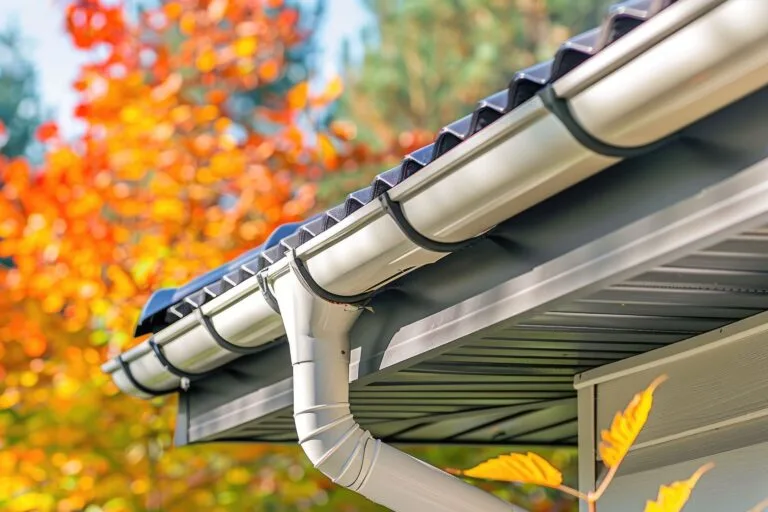
Frankfort properties with mature trees frequently experience leaf accumulation during autumn. Debris can block gutters and prevent rainwater from draining correctly.
When water remains trapped, freezing temperatures may create ice buildup and place additional weight on gutter fasteners.
Clogged gutters can damage surrounding exterior materials
Overflowing water may reach fascia boards, siding, and foundation areas.
Loose gutter connections can also allow runoff behind the drainage system, contributing to staining and moisture deterioration.
Downspout placement affects overall drainage
Water should discharge away from the foundation through appropriate extensions or drainage arrangements.
Inspecting connections before winter helps reduce problems during periods of snow melt.
Roof valleys need clear drainage paths throughout winter
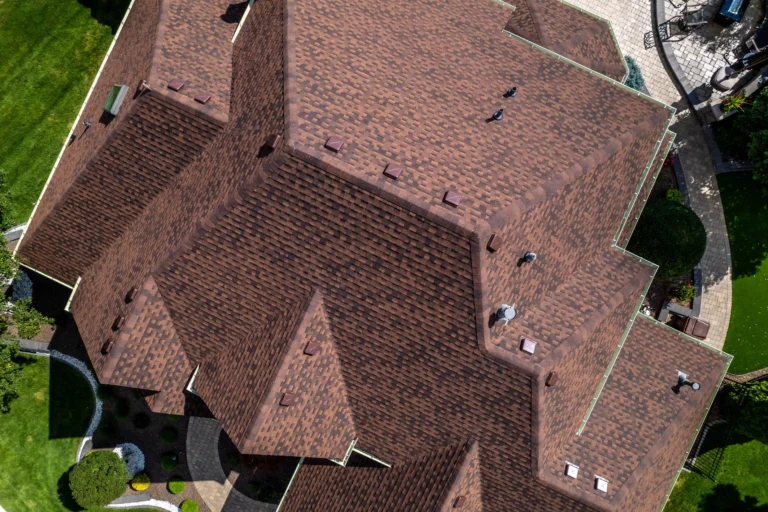
Valleys form where two roof slopes meet. These channels carry concentrated water flow toward the gutters.
Leaves, small branches, and roofing debris can collect in valleys, creating obstacles that slow runoff.
Debris buildup can increase moisture exposure
Blocked valleys may hold water against roofing materials longer than intended.
During freezing weather, accumulated moisture can create additional stress around flashing and nearby shingles.
Professional cleaning is safer than climbing onto the roof
Steep slopes and slippery surfaces make rooftop cleaning hazardous.
A trained professional can evaluate the valley condition and remove debris using appropriate safety procedures.
Attic ventilation plays a role in winter roof performance
Roofing materials are only one part of winter readiness. Attic airflow also affects how heat and moisture move beneath the roof deck.
Poor ventilation may contribute to condensation, elevated attic temperatures, and uneven snow melting.
Balanced airflow supports moisture management
A properly designed system generally uses lower intake openings and higher exhaust vents.
Blocked soffit vents or unsuitable ventilation arrangements can interfere with effective airflow.
Moisture stains may reveal attic problems
Damp insulation, rusted fasteners, or discoloration on roof decking deserve further evaluation.
These symptoms can result from indoor air leakage, condensation, or water entering through the roofing system.
Attic insulation helps reduce heat loss during cold weather
Insulation separates conditioned living spaces from colder attic areas. When insulation is missing or uneven, heated indoor air can transfer more easily toward the roof deck.
This may contribute to warm roof sections that melt accumulated snow faster than colder eaves.
Air sealing should be reviewed with insulation
Gaps around attic hatches, plumbing penetrations, and other openings can allow warm indoor air into the attic.
Correcting these pathways may improve comfort and reduce unwanted moisture movement.
Proper insulation supports more consistent roof temperatures
A roof that experiences uneven warming can develop snow melt patterns associated with ice dams.
Managing heat loss is an important part of preventing recurring winter moisture problems.
Ice dams can create leaks even when shingles appear intact
Ice dams form when snow melts on a warmer roof section and refreezes near colder roof edges.
As ice accumulates, additional meltwater can collect behind the frozen ridge and move beneath roofing materials.
Roof edge protection helps limit water intrusion
Self-adhering ice and water membranes provide additional moisture resistance beneath shingles in vulnerable areas.
These materials do not prevent ice formation, but they can help protect the roof deck when water backup occurs.
Safe removal methods are essential
Homeowners should avoid breaking ice with sharp tools or climbing onto frozen roofs.
Severe buildup and active leaks require professional attention.
A fall roof inspection can identify problems before emergencies develop
A fall roof inspection gives homeowners a clearer understanding of the roof’s condition after summer storms and before winter exposure.
The inspection may reveal loose shingles, deteriorated flashing, blocked drainage, or attic moisture concerns that have not yet caused visible damage.
Inspection findings should guide maintenance priorities
Not every concern requires immediate replacement.
A useful assessment distinguishes urgent repairs from routine maintenance and conditions that can be monitored.
Written recommendations help homeowners plan repairs
Photographs and clear explanations make roofing findings easier to understand.
Homeowners should know what needs attention, why it matters, and what work is being recommended.
When should Frankfort homeowners request a roof inspection?
Certain warning signs indicate that a professional assessment is worthwhile, particularly before winter weather arrives.
Searching for roof inspection near me Frankfort often begins after homeowners notice a visible problem or experience severe weather.
Common warning signs include
- Missing, cracked, or lifted shingles
- Granules collecting near downspouts
- Ceiling stains or damp attic insulation
- Loose flashing around chimneys and vents
- Sagging gutters or damaged roof edges
These observations provide useful clues but do not establish the full condition of the roofing system.
Roof age and repair history also matter
Older roofs may require closer monitoring because roofing materials gradually lose flexibility and weather resistance.
However, age alone does not determine whether replacement is necessary. Installation quality, maintenance, and storm exposure also influence roof condition.
A roofing contractor can explain whether repairs are necessary
Working with an experienced roofing contractor helps homeowners understand what the inspection findings mean.
A qualified professional should describe the affected areas and explain whether maintenance, localized repairs, or more extensive work is appropriate.
Roof-repair services can correct isolated problems
Targeted Roof-repair work may involve replacing damaged shingles, repairing flashing, correcting pipe boot defects, or securing vulnerable roof edges.
When surrounding roofing materials remain sound, localized repairs can often restore protection without replacing the entire roof.
Repair recommendations should be supported by evidence
Photographs and written descriptions help homeowners evaluate the proposed work.
Clear explanations are especially important when deciding whether a small defect requires immediate attention.
Roof installation may be necessary when damage is widespread
Some roofs have extensive deterioration that makes repeated repairs less practical.
Widespread shingle failure, significant decking damage, and recurring leaks may indicate the need for replacement.
Proper installation involves several protective layers
Professional roof inspection includes suitable underlayment, flashing, drip edge, ventilation, and compatible roofing materials.
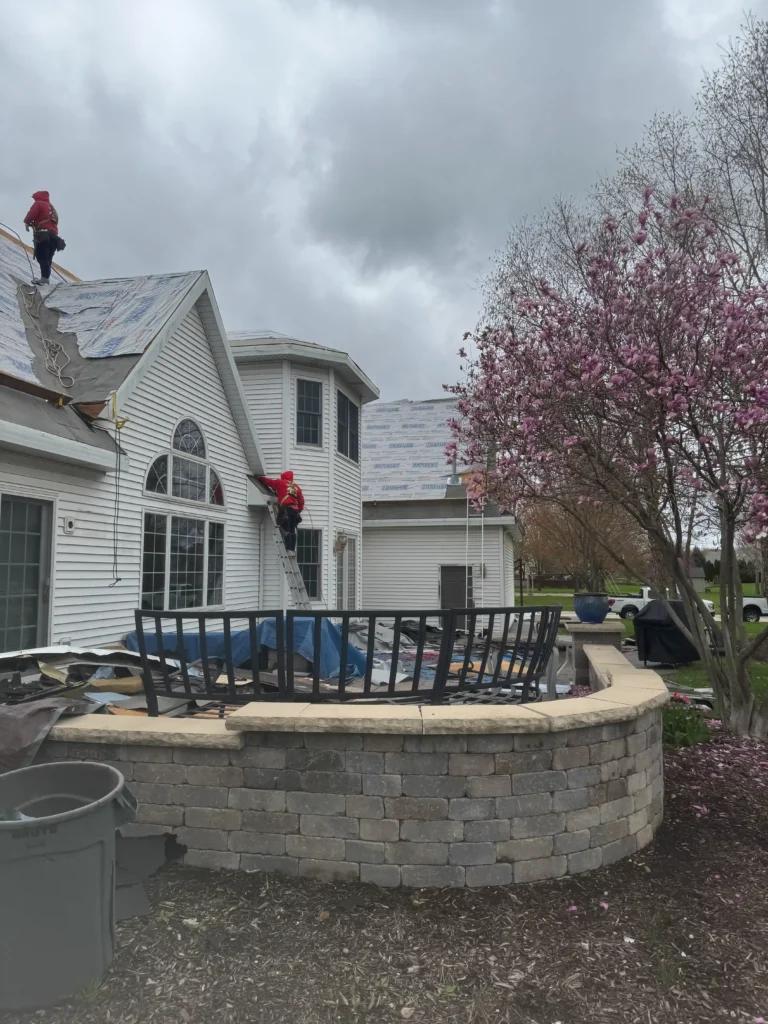
The roof deck should also be examined when existing materials are removed.
Replacement planning should consider seasonal conditions
Cold weather can influence roofing material handling and installation requirements.
Homeowners considering replacement should discuss scheduling and manufacturer recommendations with their contractor.
What homeowners should expect during a free inspection appointment
Clearway Exteriors offers free roof inspections to help homeowners better understand their roofing concerns.
An appointment begins with discussing the home’s roof age, previous repairs, visible damage, and recent storm exposure.
Inspectors review accessible roofing components
The examination focuses on visible materials and relevant conditions that can be assessed safely.
Weather, roof slope, and accessibility may affect which areas can be examined during the visit.
Findings help determine the next appropriate step
Following the inspection, homeowners can review observations and discuss recommended work.
The decision to proceed with repairs remains with the property owner.
How homeowners can prepare before the inspection visit
Simple preparation helps the roofing professional understand concerns that may not be immediately visible.
Gather information about previous leaks, storm damage, roof repairs, and areas where water stains have appeared.
Make important areas accessible
If attic inspection is appropriate, ensure the access opening can be reached safely.
Move vehicles or outdoor items when necessary to provide access around the property.
Keep photographs of earlier damage
Pictures taken after previous storms may help identify changes in roofing conditions.
Organized maintenance records can also provide useful context during the assessment.
Frankfort homes have different winter roofing needs
Residential properties across Frankfort include ranch homes, split levels, and larger two-story houses with varying roof designs.
Steep roof slopes, multiple valleys, dormers, and attached garages create different drainage and flashing requirements.
Tree coverage affects seasonal maintenance
Homes surrounded by mature trees may require more frequent gutter cleaning and debris removal.
Branches extending over roofs can also create additional windstorm hazards.
Individual roof condition matters more than neighborhood age
Two homes built during the same period may have very different roofing conditions.
Previous replacements, material choices, ventilation, and maintenance history all affect how well the roof performs.
Conclusion
Scheduling a free roof inspection Frankfort IL homeowners can arrange before winter helps identify roofing concerns while repairs remain easier to plan. Shingle wear, damaged flashing, clogged gutters, and attic moisture problems can become more troublesome once snow and freezing temperatures arrive.
A professional inspection provides information about the roofing system and helps homeowners distinguish routine maintenance from necessary repairs. Taking action before an active leak develops can reduce unnecessary disruption and protect interior materials.
Clearway Exteriors provides professional roofing inspections, repair, replacement, and exterior services throughout Frankfort and surrounding Chicagoland communities, helping homeowners prepare for winter and address developing roof concerns. Call (866) 328-1110 to schedule your free roof inspection or visit us at 18521 Spring Creek Drive Unit B, Tinley Park, IL 60477.
Free Winter Roof Inspection FAQs
What does a free winter roof inspection in Frankfort include?
A free winter roof inspection typically includes checking accessible shingles, flashing, roof valleys, gutters, vents, and visible roof damage. Attic conditions may also be reviewed when access and inspection needs allow.
Why should I schedule a roof inspection before winter?
Scheduling a roof inspection before winter helps identify damaged shingles, loose flashing, drainage problems, and other weaknesses before snow and freezing temperatures make repairs more difficult.
Can a roof inspection help prevent leaks?
A professional roof inspection can identify conditions that increase leak risks, including damaged flashing, missing shingles, blocked valleys, and roof edge problems. Correcting these issues can reduce the likelihood of water intrusion.
Does a free roof inspection mean I must schedule repairs?
No. A free roof inspection provides information about the roof’s condition without requiring homeowners to approve repairs. You can review the findings before deciding whether maintenance, repair, or replacement is necessary.
When should Frankfort homeowners contact a roofing contractor?
Homeowners should contact a roofing contractor after significant wind or hail damage, visible shingle deterioration, ceiling stains, attic moisture, loose flashing, or recurring roof leaks. A fall inspection is also useful before winter.