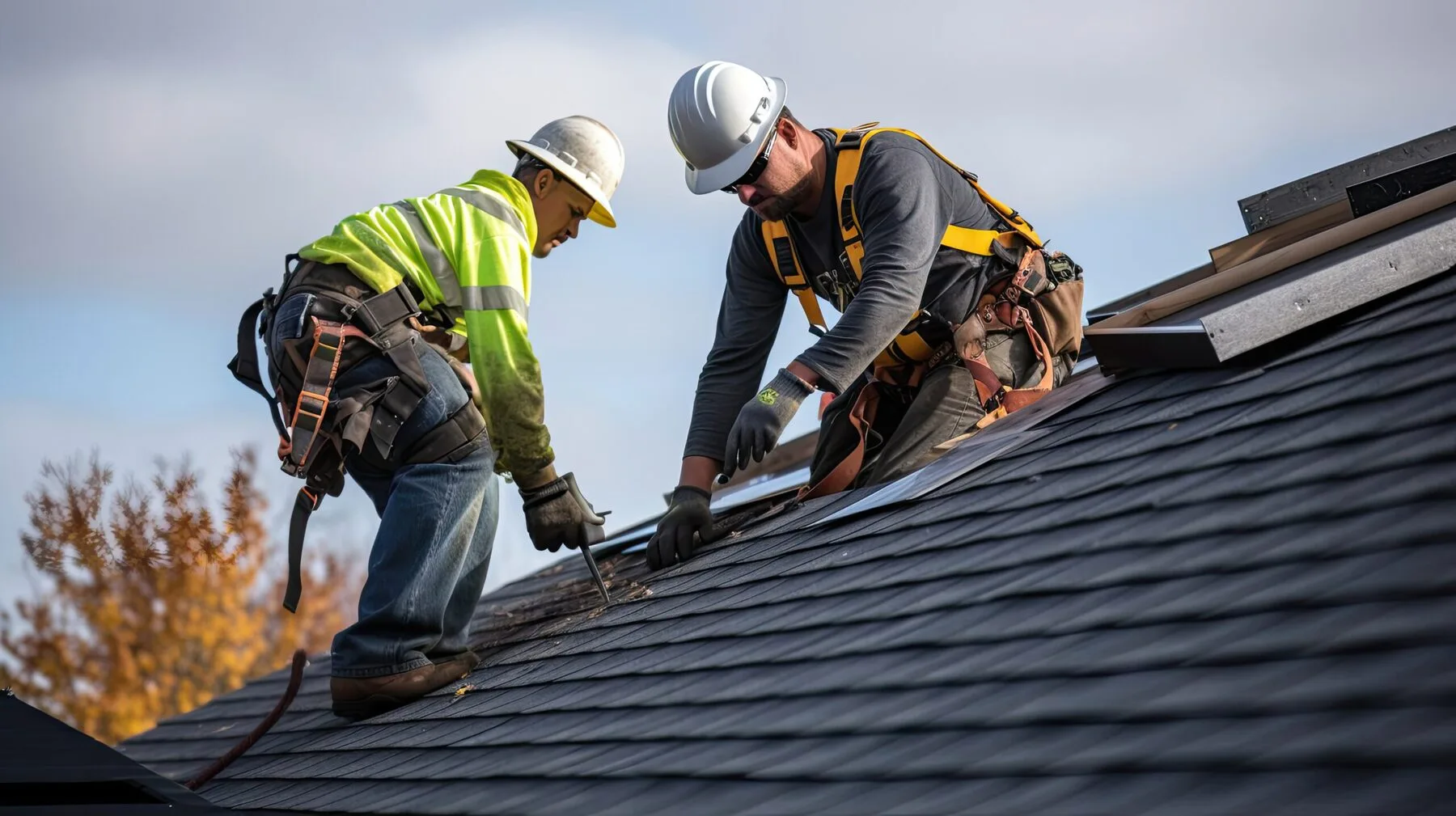
Understanding roof financing options Illinois homeowners can use in 2026 can make a major roofing project feel more manageable. A roof replacement is not always something homeowners plan years in advance. Sometimes damage appears after hail, wind, leaks, aging shingles, or hidden moisture problems. When the roof needs attention, waiting too long can lead to bigger repair costs.
For homeowners in Tinley Park and nearby Illinois communities, financing can help spread the cost of a roof replacement into payments instead of paying the full amount at once. The right option depends on your budget, credit profile, home equity, project size, loan terms, and how quickly the roof needs work.
This guide explains how to finance roof replacement, what options may be available, what to compare before signing, and how to avoid common mistakes when reviewing roofing payment plans.
Why roof financing can help when replacement cannot wait
A failing roof can put the entire home at risk. Once shingles weaken, flashing fails, or leaks begin, water can reach decking, insulation, drywall, and framing. Delaying replacement may seem like a way to save money, but it can make the final project more expensive if damage spreads.
Financing may help homeowners move forward before the roof gets worse. Instead of waiting until an emergency leak forces a rushed decision, financing can give families a way to plan the project around their monthly budget.
Roof financing is about timing and protection
A new roof is not only a cosmetic upgrade. It protects the home from rain, snow, wind, hail, and moisture. In Illinois, seasonal weather can make weak roofing problems worse quickly.
When replacement is necessary, financing may help homeowners protect the home now while paying over time.
Homeowners should start with a professional roof inspection
Before thinking about financing, homeowners should confirm what the roof actually needs. A professional inspection can determine whether the roof needs repair, partial work, or full replacement.
A contractor may check shingles, flashing, valleys, gutters, soffit, fascia, attic ventilation, roof decking, and interior leak signs. This inspection helps avoid borrowing money for work that may not be necessary.
The inspection should guide the project scope
A detailed inspection helps create a clear estimate. The estimate should explain materials, tear-off, underlayment, flashing, ventilation, cleanup, warranty details, and possible decking repairs.
Once the scope is clear, homeowners can review financing options with a more accurate project cost.
Contractor financing may be available through lending partners
Some roofing companies offer financing through third-party lending partners. This can be convenient because the homeowner can review payment options during the roofing estimate process.
These plans may include monthly payment options, promotional terms, deferred interest offers, or fixed payment plans. Terms vary by lender, credit approval, project size, and program rules.
Read the financing terms before signing
Convenience should not replace careful review. The Federal Trade Commission advises homeowners not to agree to contractor-provided financing without shopping around and comparing loan terms.
Before accepting a plan, review the interest rate, monthly payment, total repayment amount, promotional period, fees, late payment rules, and whether the rate changes later.
Personal loans can be used for roof replacement
A personal loan is another common option for roof replacement financing. These loans are usually unsecured, which means they do not require your home as collateral. Approval and interest rates depend on credit history, income, debt level, and lender requirements.
Personal loans may be useful when homeowners want predictable payments and do not want to use home equity. They can also be faster than some secured loan options.
Personal loans should be compared carefully
Personal loan rates can vary widely. A lower monthly payment may come with a longer repayment period and higher total interest. A shorter repayment period may cost more each month but less overall.
Homeowners should compare several lenders before choosing one.
Home equity loans and HELOCs may work for larger roofing projects
Home equity financing uses the value you have built in your home. A home equity loan usually gives a lump sum with fixed payments. A home equity line of credit, often called a HELOC, gives access to a revolving line that can be used as needed.
These options may offer lower rates than unsecured loans, but they use your home as collateral. That makes it important to understand the risk before signing.
Home equity financing should be handled with caution
The FTC explains that the amount you can borrow and the interest rate for home equity loans or HELOCs can depend on income, credit history, and home value. It also notes that using your home as collateral can create foreclosure risk if payments are not made.
This type of financing may make sense for some homeowners, but it should be reviewed carefully.
Credit cards may be useful for smaller roofing expenses
Credit cards may help with smaller roof repairs, deposits, or emergency expenses. However, they are usually not the best choice for a full roof replacement unless the homeowner has a clear repayment plan.
High interest rates can make a roofing project much more expensive if the balance is carried for a long time. Promotional cards may offer temporary lower interest, but the terms need to be reviewed closely.
Credit cards can become expensive if payments stretch too long
Before using a credit card, calculate the monthly payment and total interest. If the balance cannot be paid down quickly, another financing option may be more practical.
Credit cards may be better for smaller repairs than full replacement projects.
Some homeowners may qualify for repair assistance programs
Illinois homeowners with lower incomes, rural properties, accessibility needs, or health and safety repair needs may qualify for certain public or nonprofit programs. Availability depends on location, income, funding, program rules, and timing.
The USDA Section 504 Home Repair program in Illinois provides loans to very-low-income homeowners for home repair, improvement, or modernization and grants to elderly very-low-income homeowners to remove health and safety hazards. Illinois also administers housing support programs that can include rehabilitation and accessibility assistance through community programs.
Program availability can change.
Home repair assistance programs may have limited funding and eligibility requirements. Homeowners should check current rules before relying on this option.
These programs may not fit every roof replacement project, but they can be worth reviewing for qualifying households.
No money down roofing should be reviewed carefully
Many homeowners search for no money down roofing because a roof problem can happen before they are financially ready. Some financing programs may advertise no upfront payment, deferred payment, or promotional terms.
These offers can be helpful, but they are not automatically the best deal. A no-money-down option may still include interest, fees, credit approval, or higher total repayment over time.
Focus on total cost instead of only the starting payment
A low starting payment can be attractive, but homeowners should review the full cost. Ask how long the payment period lasts, whether interest is deferred, when payments begin, and what happens if the balance is not paid during a promotional window.
The best financing option is one you understand clearly.
A clear estimate helps homeowners compare financing options
Financing decisions are easier when the roofing estimate is detailed. The estimate should show what is included and what may cost extra if hidden damage is found.
A vague estimate makes financing harder because the homeowner does not know the true project scope. If decking damage, ventilation upgrades, flashing replacement, or permit needs are not explained, costs may change later.
A written scope protects the homeowner
Before applying for financing, ask for a written scope of work. It should explain the roofing materials, tear-off process, roof edge details, underlayment, flashing, ventilation, cleanup, and warranty information.
This helps you compare both contractors and payment options more fairly.
The right contractor can make financing easier to understand
A trustworthy roofing contractor should explain the roof condition, project scope, and available payment options in plain language. They should not pressure you into financing or make promises that are not written in the agreement.
For homeowners comparing roof financing Tinley Park options, clear communication matters. The contractor should help you understand the roofing work first, then review payment options after the scope is clear.
Financing should support the right roofing decision
A professional roof-repair inspection may show that a smaller repair is enough. In that case, full replacement financing may not be needed. If the roof is older, leaking, or widely damaged, replacement may offer better long-term value.
The financing plan should match the roofing need, not the other way around.
Roof installation quality still matters when financing the project
Financing can help pay for the project, but the quality of the work still determines the result. A proper Roof installation should include careful tear-off, deck inspection, underlayment, flashing, ventilation, ridge caps, and cleanup.
Choosing the lowest monthly payment does not help if the installation is poor. Bad workmanship can lead to leaks, warranty issues, and added repairs later.
Compare value instead of only monthly payment
A stronger roofing system may cost more than a basic option, but it can provide better long-term protection. Homeowners should compare material quality, warranty coverage, installation process, contractor experience, and payment terms together.
The goal is to choose a roof that protects the home and a payment plan that fits the budget.
Homeowners should ask the right financing questions
Before signing a roofing finance agreement, ask questions that help you understand the full obligation.
Helpful questions include:
- What is the interest rate and total repayment amount?
- Are there origination fees or late fees?
- Is the rate fixed or variable?
- When do payments begin?
- Is there a promotional period?
- Can I pay the loan off early without penalty?
These questions help prevent surprises after the project begins.
Insurance may help if the roof was damaged by a covered storm
If roof damage was caused by hail, wind, or another covered event, homeowners may need to contact their insurance company. Insurance is not the same as financing, but it may affect how much the homeowner needs to pay out of pocket.
Coverage depends on the policy, deductible, roof age, damage cause, and insurance adjuster review.
Keep financing and insurance decisions separate
A contractor can inspect and document damage, but the insurance company determines coverage. Homeowners should avoid signing unclear agreements before understanding the claim decision, deductible, and project scope.
If insurance does not cover the full project, financing may help with the remaining balance.
Homeowners should avoid financing pressure and unclear contracts
Roof financing should be handled calmly. Be cautious if someone pressures you to sign immediately, promises approval without review, avoids written terms, or focuses only on a low payment without explaining the total cost.
The FTC warns homeowners to be careful with home improvement scams and to check contractors, compare offers, and avoid being rushed into financial agreements.
A good contractor gives you time to review
You should feel comfortable asking questions. You should also have time to read the agreement, compare options, and understand what you are signing.
A roofing project is important, and financing should make the process clearer, not more stressful.
Conclusion
Exploring roof financing options Illinois homeowners can use in 2026 can help make roof replacement more manageable when the work cannot wait. Options may include contractor financing, personal loans, home equity loans, HELOCs, credit cards, insurance proceeds, or assistance programs for qualifying homeowners.
The best choice depends on your roof condition, project cost, credit profile, monthly budget, risk tolerance, and long-term plans. Before signing, review the estimate, compare terms, understand total repayment, and choose a contractor who explains everything clearly.
Call Clearway Exteriors today at (866) 328-1110 to schedule a roof inspection or speak with a roofing professional about your roofing needs in Tinley Park, IL. Visit us at 18521 Spring Creek Drive Unit B, Tinley Park, IL 60477.
Roof Financing FAQs
What roof financing options are available in Illinois?
Illinois homeowners may consider contractor financing, personal loans, home equity loans, HELOCs, credit cards, insurance proceeds, or repair assistance programs if they qualify.
How do I finance a roof replacement?
Start with a professional roof inspection and written estimate, then compare financing options based on interest rate, monthly payment, total repayment amount, fees, and loan terms.
Is no money down roofing a good option?
No money down roofing may help homeowners start work with little upfront cost, but the full terms should be reviewed carefully, including interest, fees, promotional periods, and total repayment.
Can insurance help pay for roof replacement?
Insurance may help if the roof damage was caused by a covered event such as hail or wind, but coverage depends on the policy, deductible, roof condition, and adjuster review.
What should I ask before signing a roof financing agreement?
Ask about the interest rate, total repayment amount, fees, payment start date, promotional terms, early payoff rules, and whether the rate is fixed or variable.