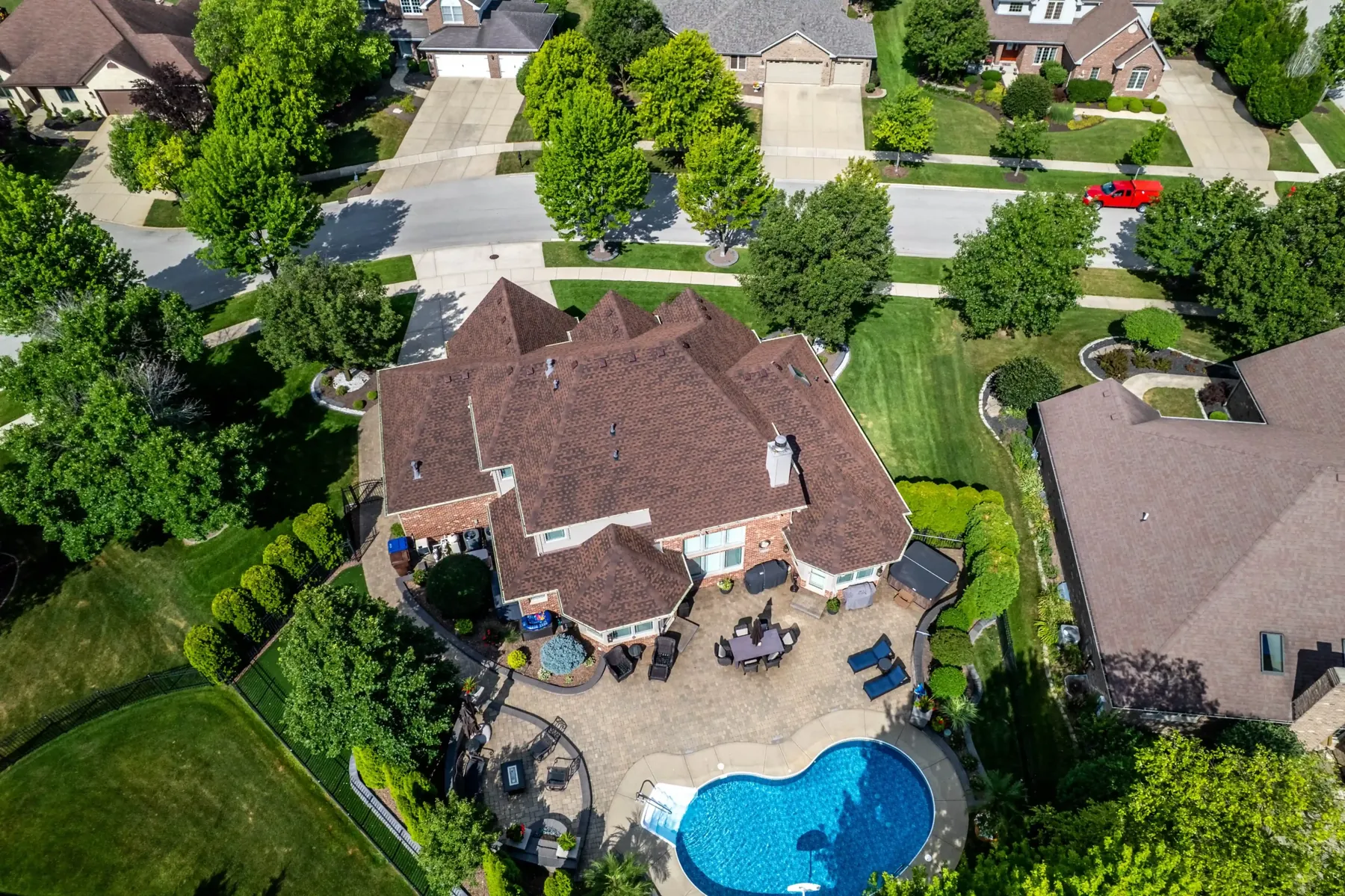
Knowing how to choose a roofing contractor Tinley Park homeowners can trust is one of the most important steps before starting any roof repair, roof replacement, storm damage repair, or exterior project. Your roof protects your home from rain, snow, wind, hail, heat, and moisture. If the contractor is not qualified, the wrong work can lead to leaks, poor ventilation, failed flashing, warranty problems, and expensive repairs later.
Tinley Park homes face Illinois weather throughout the year. Freezing winters, spring storms, summer heat, and sudden wind events can all affect roofing materials. That is why homeowners need more than a low estimate. They need a contractor who understands local roofing needs, explains the scope clearly, and completes the work with care.
This guide explains what to look for when reviewing a roofing company, which questions to ask, how to compare estimates, and what warning signs should make you pause before signing a contract.
Start by checking whether the contractor is properly qualified
A roofing project should begin with basic qualification checks. Before you compare prices or materials, make sure the company is legally allowed to complete roofing work and has the right experience for your type of project.
A licensed roofing contractor gives homeowners more confidence because licensing shows that the company is operating under state or local requirements. Insurance is also important because roofing work involves ladders, tools, materials, and risk around your property.
Ask for proof before the project begins
A reliable company should be comfortable sharing proof of licensing, insurance, and business information. If a contractor avoids this question or gives unclear answers, that is a warning sign.
Homeowners should ask for the company name, local address, phone number, license details when applicable, insurance confirmation, and written project information. These details help protect you before work begins.
Look for real roofing experience in Tinley Park and Illinois weather
Experience matters because roofing is not the same in every climate. A contractor working in Tinley Park should understand how Illinois weather affects shingles, flashing, gutters, roof ventilation, roof decking, and storm damage.
Cold weather can stress roofing materials. Heavy rain can expose weak flashing. Hail can bruise shingles. Strong winds can lift edges and loosen fasteners. A contractor who understands these conditions can recommend better solutions.
Local experience helps with better recommendations
A local contractor is more likely to understand common roof problems in the area. This includes storm damage, aging asphalt shingles, gutter overflow, ventilation problems, ice-related roof edge issues, and leaks near chimneys or roof valleys.
This does not mean every local company is automatically the right choice. However, local experience should be part of your review when comparing contractors.
Read roofing company reviews carefully before making a decision
Online reviews can help you understand how a company treats customers. However, do not look only at star ratings. Read the actual comments. Look for patterns in communication, punctuality, cleanup, workmanship, pricing, and follow-up service.
A company with many positive reviews that mention clear communication and professional crews may be more reliable than a company with only a few short comments. Also, look at how the company responds to concerns. Professional responses can show accountability.
Look for details that sound real
Strong reviews often mention specific services, such as roof replacement, storm repair, gutter installation, siding work, or leak repair. They may also mention whether the crew cleaned up well, arrived on time, and explained the project clearly.
Be cautious if reviews seem generic, repeated, or too vague. A good roofing company should have a reputation that feels consistent and real.
Compare estimates by scope and not only by price
Many homeowners make the mistake of choosing the lowest estimate without comparing what is included. A low price may leave out important items like tear-off, underlayment, flashing, ventilation, disposal, permits, cleanup, or warranty details.
A roof estimate should clearly explain the work being done. If two estimates are far apart in price, compare the materials, labor, installation details, and exclusions before deciding.
A clear estimate should explain the full roofing system
A roofing estimate should not only list shingles. A complete roof system may include decking repairs, ice and water protection, synthetic underlayment, drip edge, starter shingles, ridge caps, pipe boots, flashing, ventilation components, and cleanup.
If an estimate is missing important details, ask the contractor to explain. A professional company should be willing to walk you through the scope.
Use a practical roofing contractor checklist before hiring
A simple roofing contractor checklist Illinois homeowners can follow helps reduce confusion. It also makes it easier to compare companies fairly.
Before choosing a contractor, review these items:
- License, insurance, and business information
- Local experience and project examples
- Written estimate with clear scope
- Material details and warranty information
- Communication style and project timeline
- Cleanup plan and property protection process
This list does not need to be complicated. The goal is to make sure the contractor is qualified, transparent, and prepared to complete the work correctly.
Ask the right questions before you sign anything
Homeowners often ask about price first, but price is only one part of the decision. The better approach is to ask questions that reveal how the contractor works, what is included, and how problems will be handled.
The best questions to ask roofer candidates should focus on process, materials, warranties, payment terms, and unexpected issues. A good contractor should answer clearly without pressure.
Helpful questions can prevent surprises later
Ask how long the project will take, who will manage the crew, what materials will be used, what happens if damaged decking is found, and how cleanup is handled. Also ask whether the company offers workmanship warranty coverage.
You should also ask how weather delays are handled. In Illinois, sudden rain or wind can affect roofing schedules, so communication matters.
Make sure the contractor explains repair versus replacement
Not every roofing problem requires full replacement. A trustworthy contractor should explain whether your roof needs repair, replacement, or continued monitoring. If the company pushes replacement without inspecting the issue carefully, be cautious.
A targeted Roof-repair may be enough when damage is limited to one area. This could include a small leak, a few missing shingles, loose flashing, or a damaged pipe boot. However, repeated leaks, widespread shingle wear, sagging areas, or severe storm damage may point toward replacement.
Honest guidance builds trust
A reliable roofing contractor should explain the condition of your roof in simple language. They should show photos when possible and help you understand the difference between a short-term fix and a long-term solution.
This kind of guidance helps homeowners make informed decisions without feeling rushed.
Review roof installation details before approving the project
If your home needs a new roof, installation quality is just as important as the material you choose. Even strong shingles can fail early if installed poorly. Flashing, ventilation, fastening, underlayment, and roof edge details all matter.
A proper Roof installation should follow manufacturer guidelines and be suited to the home’s structure. It should include careful preparation, tear-off when required, deck inspection, proper flashing, and final cleanup.
Ask how the roof will be installed
Before signing, ask what underlayment will be used, how valleys will be protected, how vents will be handled, and whether flashing will be reused or replaced. Also ask how nails and debris will be cleaned from the property.
A contractor who explains the installation process clearly is often more trustworthy than one who only gives a fast price.
Pay attention to warranty details and what they actually cover
Roof warranties can be confusing because there may be more than one type. Manufacturer warranties usually cover roofing materials. Workmanship warranties cover the installation. Both matter.
If the material is good but the installation is poor, you may still have leaks. If the installation is strong but the material fails, manufacturer coverage may matter. Homeowners should understand both before work begins.
Get warranty terms in writing
Do not rely on verbal promises. Ask for warranty information in writing. Make sure you understand the length of coverage, what is included, what is excluded, and what could void the warranty.
Proper ventilation, correct installation, and approved materials may all affect warranty protection.
Watch for red flags when reviewing roofing companies
Some warning signs should make homeowners slow down. A contractor who pressures you to sign immediately, refuses to provide written details, asks for unusually large upfront payment, or avoids license and insurance questions may not be the right choice.
Storm season can bring out contractors who move quickly from neighborhood to neighborhood. Some may offer low prices or big promises, but they may not provide strong long-term support.
Do not let pressure guide your decision
Avoid contractors who tell you the offer is only valid if you sign today. Also avoid anyone who suggests skipping permits when required, hiding damage, or making insurance promises they cannot legally control.
A professional contractor should give you time to review the estimate and ask questions.
Understand how insurance claims should be handled
If your roof was damaged by hail or wind, you may need to contact your insurance company. A roofing contractor can inspect the roof, document visible damage, and provide an estimate. However, your insurance company determines coverage based on your policy and adjuster review.
A contractor should not promise claim approval. They can support the process with documentation, but they should not misrepresent damage or guarantee insurance outcomes.
Stay organized during storm damage projects
Keep photos, inspection notes, estimates, claim documents, and communication records in one place. If an adjuster visits your home, you may ask your contractor to be present if scheduling allows.
Clear records can make the process easier and reduce confusion.
Choose a contractor who communicates clearly
Good communication matters before, during, and after the roofing project. A contractor should explain the inspection findings, estimate details, project timeline, material choices, and any changes that happen during the work.
If communication is poor before you sign, it may not improve after the project starts. Slow replies, vague answers, and unclear documents can create frustration later.
The best contractors make the process easier
A professional roofing company should help homeowners understand what is happening at each step. They should tell you when materials will arrive, when work will begin, how long the project may take, and what to expect during cleanup.
Clear communication is one of the strongest signs of a dependable contractor.
Consider property protection and cleanup before work starts
Roofing work can be messy. Old shingles, nails, underlayment, flashing, and debris need to be removed carefully. A good contractor should protect landscaping, siding, windows, driveways, and outdoor areas as much as possible.
Cleanup should include removing debris, checking for nails, and leaving the property safe. Ask how the company handles magnetic nail sweeping and waste disposal.
Cleanup should be part of the estimate
Do not assume cleanup is included unless the estimate says so. A professional contractor should explain how debris will be handled and what condition the property will be left in after the work is complete.
This is especially important for homes with children, pets, gardens, or outdoor living areas.
Make your final decision based on value and trust
Choosing the right contractor is not about picking the cheapest name on the list. It is about finding the company that offers clear communication, proper qualifications, fair pricing, quality materials, and dependable workmanship.
The best contractor should make you feel informed, not pressured. They should explain your options and help you understand what your roof needs.
The right contractor protects your home and your budget
A strong roofing project can protect your home for years. A poor project can create leaks, warranty problems, and added expenses. Taking time to review the contractor carefully is worth it.
When comparing companies, choose the one that gives you the clearest plan and the most confidence.
Conclusion
Understanding how to choose a roofing contractor Tinley Park homeowners can trust helps protect your home, budget, and peace of mind. A good contractor should be licensed when required, insured, experienced, transparent, and willing to explain the full project scope.
Before hiring, review qualifications, read reviews, compare estimates, ask smart questions, understand warranties, and watch for red flags. The right roofing company will not rush your decision. They will guide you through the process and help you choose the best solution for your home.
Call Clearway Exteriors today at (866) 328-1110 to schedule a roof inspection or speak with a roofing professional about your roofing needs in Tinley Park, IL. Visit us at 18521 Spring Creek Drive Unit B, Tinley Park, IL 60477.
Roofing Contractor Hiring FAQs
How do I choose a roofing contractor in Tinley Park?
Choose a roofing contractor by checking licensing, insurance, local experience, written estimates, warranty details, reviews, communication, and the full project scope before signing a contract.
What questions should I ask a roofer before hiring?
Ask about licensing, insurance, materials, warranties, project timeline, cleanup, damaged decking, payment terms, and who will manage the roofing project.
Why is hiring a licensed roofing contractor important?
A licensed roofing contractor provides more confidence that the company is operating under required rules and has the qualifications needed to perform roofing work properly.
Should I choose the lowest roofing estimate?
Not always. The lowest estimate may leave out important items such as flashing, ventilation, tear-off, disposal, cleanup, warranty coverage, or deck repairs.
What are red flags when hiring a roofing company?
Red flags include pressure to sign immediately, unclear estimates, no proof of insurance, vague warranty terms, unusually large upfront payment requests, and poor communication.