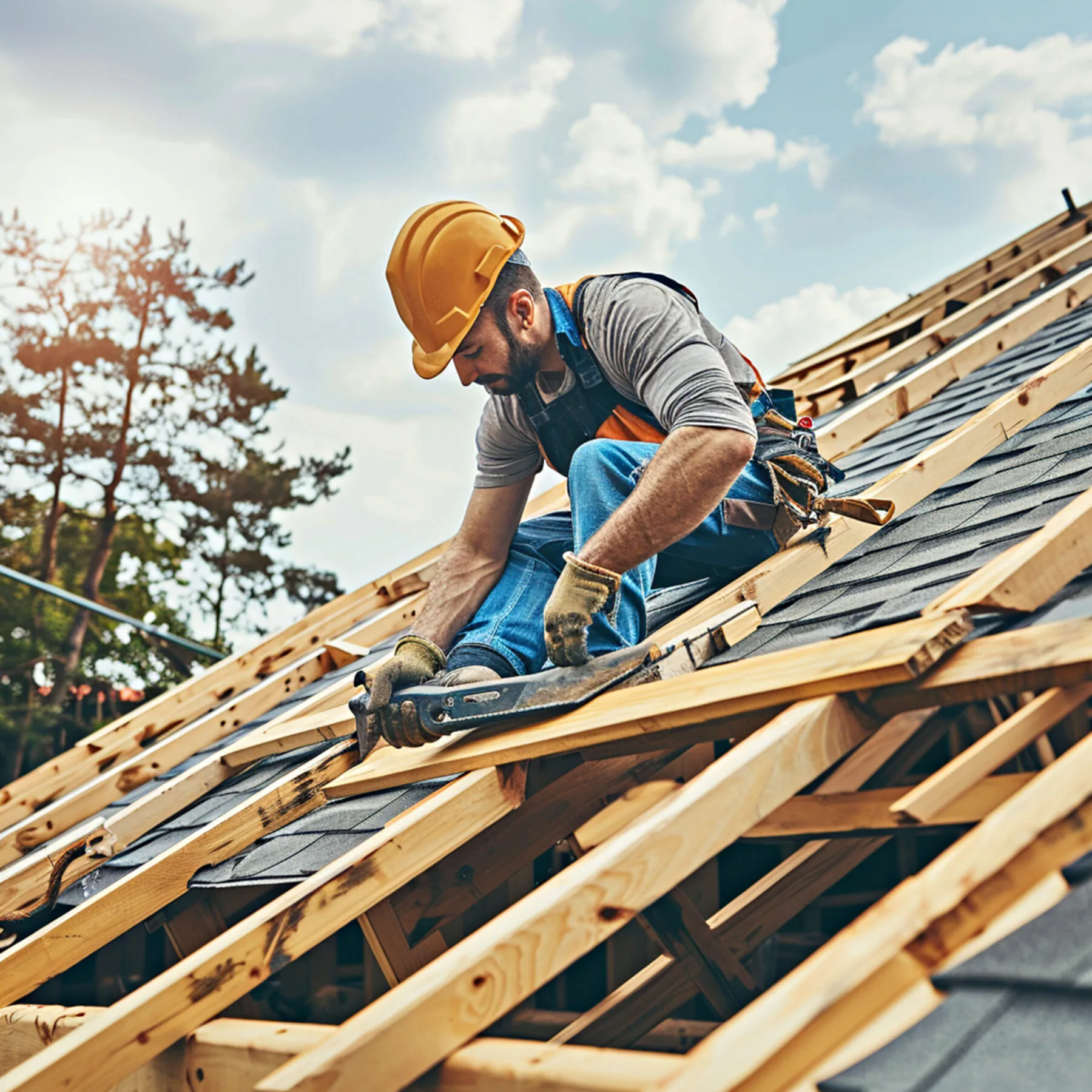
A complete roof inspection checklist Illinois homeowners can trust should look at more than shingles. Your roof is a full system that includes decking, underlayment, flashing, vents, gutters, soffit, fascia, attic ventilation, drainage, and interior warning signs. When one part fails, the rest of the home can be affected.
In Tinley Park and other Illinois communities, roofs face freezing winters, heavy rain, strong wind, hail, summer heat, falling debris, and fast temperature changes. These conditions can weaken shingles, loosen flashing, damage roof edges, and create hidden moisture problems. A roof may look normal from the ground but still have issues that need attention.
That is why a professional inspection matters. Whether you are preparing for storm season, buying a home, planning repairs, or wondering about the cost to replace roof Illinois homeowners may face, an inspection gives you the information needed to make the right decision. This guide explains what professional roofers look for in 2026 and what homeowners should expect from a thorough inspection.
A professional roof inspection starts with the full condition of the home
A roof inspection usually begins before anyone looks closely at the shingles. A roofer may first review the home from the ground to check roof shape, slope, visible wear, drainage patterns, gutter condition, and signs of uneven rooflines.
This first look helps identify problem areas that may need closer attention. Sagging sections, missing shingles, stained siding, overflowing gutters, and damaged fascia can all point to deeper roofing issues.
Roofers look for clues before stepping onto the roof
Professional roofers often notice warning signs that homeowners may miss. They may look at where water drains, where debris collects, and where roof sections meet walls, chimneys, skylights, or valleys.
These areas are important because many leaks begin at transitions. A roof is most vulnerable where materials meet, where water slows down, or where flashing has aged.
The roof surface tells a lot about material age and damage
The visible roof surface is one of the most important parts of the inspection. Roofers check shingles, tiles, metal panels, or membrane materials depending on the type of roof. For many Illinois homes, asphalt shingles are the most common material.
A roofer will look for missing shingles, curled edges, cracked surfaces, lifted tabs, loose fasteners, exposed nails, algae staining, granule loss, and storm damage. These details help determine whether the roof needs minor repair, larger repair, or replacement.
Shingle condition can show whether the roof is nearing the end of its life
Shingles protect the home from rain, snow, wind, and sunlight. When they lose granules, crack, curl, or become brittle, they may no longer protect the roof deck properly.
Granule loss is especially important. If the shingles look faded or bare, they may be more exposed to UV damage and weather wear. Roofers may also check gutters and downspouts for granule buildup.
Flashing is checked because many leaks begin around roof details
Flashing is the metal or waterproof material installed around roof openings and transitions. It is commonly found near chimneys, skylights, walls, vents, dormers, and valleys. Even if the shingles look good, failed flashing can allow water to enter the home.
During a professional roof inspection, roofers look for rusted flashing, lifted edges, loose sealant, gaps, poor previous repairs, missing step flashing, and water stains near flashing areas.
Chimneys and skylights need careful inspection
Chimneys and skylights are common leak points because they interrupt the roof surface. Water must be directed around them correctly. If flashing is old, damaged, or poorly installed, leaks can develop inside walls, ceilings, or attic spaces.
Roofers may also check chimney caps, counterflashing, sealant, and nearby shingles to see whether water is entering around the structure.
Roof valleys are inspected because they handle heavy water flow
Roof valleys are where two roof slopes meet. These areas carry a large amount of water during rain and snow melt. Because of that, valleys need strong protection and proper installation.
A roofer will check whether valley shingles are worn, whether metal valleys are damaged, and whether debris has collected in the channel. Leaves, branches, and granules can slow drainage and increase the risk of leaks.
Valley damage can spread quickly if ignored
When a valley fails, water can reach the underlayment and roof decking. Since valleys carry so much water, even a small weakness can become a larger leak.
This is why roofers spend extra time checking valleys during an inspection.
Gutters and downspouts are part of the roof inspection
A roof inspection should include gutters because drainage affects roof performance. Gutters move water away from the roof edge, siding, foundation, and landscaping. When gutters clog, sag, leak, or pull away from the fascia, water may damage the roofline.
Roofers check whether gutters are securely attached, properly sloped, clear of debris, and draining through downspouts. They may also look for rust, separation, overflow stains, or water marks on siding.
Poor drainage can look like a roof leak
Sometimes homeowners think they have a roof leak when the real problem is gutter overflow or water spilling behind the fascia. A clogged or damaged gutter can push water where it does not belong.
That is why roofers evaluate drainage along with the roof surface.
Soffit and fascia help reveal hidden roof edge problems
Soffit and fascia are important roofline components. Soffit is located under the roof overhang, while fascia runs along the roof edge where gutters are often attached. Damage in these areas can point to moisture, pests, ventilation problems, or gutter failure.
Roofers look for peeling paint, soft wood, rot, stains, holes, loose panels, sagging gutters, and pest entry points. These problems may mean water has been affecting the roof edge for some time.
Roof edge damage should not be ignored
The roof edge protects the transition between the roof, walls, gutters, and attic. If this area weakens, water can enter the home’s structure and cause wider damage.
Repairing roof edge problems early can help prevent larger roofing and exterior repairs.
Attic ventilation is one of the most important inspection points
A good roof inspection should include ventilation review. The attic plays a major role in roof performance because trapped heat and moisture can shorten roof life. In Illinois, ventilation matters during both summer and winter.
During summer, excess attic heat can stress shingles. During winter, moisture buildup can contribute to condensation, insulation problems, and roof deck damage. A roofer may check soffit vents, ridge vents, gable vents, baffles, insulation, and signs of poor airflow.
Ventilation problems can damage a roof from underneath
Not all roof damage starts outside. Moisture inside the attic can stain decking, rust nails, dampen insulation, and create musty odors. These issues may be mistaken for an active roof leak.
A complete inspection helps separate ventilation problems from exterior roof leaks.
Interior signs help roofers understand possible leak paths
Roofers may also inspect inside the home or attic when leaks are suspected. Interior signs can help identify where water is entering and how far it has traveled.
Common interior warning signs include ceiling stains, peeling paint, damp insulation, moldy smells, wall discoloration, bubbling drywall, and daylight visible through roof boards.
Water stains do not always appear below the leak source
Water can travel along rafters, beams, insulation, or drywall before it shows up indoors. That means the stain you see may not be directly under the roof opening.
Professional roofers use exterior and interior clues together to find the most likely source.
Storm damage is checked carefully after wind and hail
Illinois storms can cause roof damage even when the home does not leak immediately. Hail can bruise shingles, knock off granules, dent metal vents, and damage gutters. Wind can lift shingles, loosen flashing, or expose roof edges.
A roofer may look for impact marks, missing shingles, lifted tabs, creased shingles, dented accessories, and scattered debris. This is especially important after severe weather.
Hail and wind damage may not be obvious from the ground
Some storm damage is subtle. A shingle may look normal from below but have bruising or granule loss when inspected closely. If ignored, that damage may shorten roof life and lead to future leaks.
A timely inspection after a storm helps homeowners understand whether repair or insurance documentation may be needed.
Roofers also check previous repairs and workmanship
Older repairs can reveal a lot about a roof. A professional roofer may look for mismatched shingles, excessive sealant, improper flashing, exposed nails, poor patching, or materials installed in the wrong areas.
Some repairs are meant to be temporary. If they remain in place too long, they can fail and allow water inside.
Poor workmanship can create future leaks
A roof may have good materials but still perform poorly if installation details were wrong. Fastener placement, flashing technique, ventilation, underlayment, and roof edge work all matter.
If a previous repair was done incorrectly, a new repair may need to correct the original problem before it spreads.
A roof inspection helps decide between repair and replacement
One of the biggest reasons homeowners schedule an inspection is to understand whether the roof needs repair or replacement. Not every problem requires a new roof. Some issues are isolated and can be repaired.
A focused Roof-repair may be enough when damage is limited to a few shingles, one flashing area, or a small leak. However, widespread shingle failure, repeated leaks, storm damage, old age, or rotted decking may point toward replacement.
A trusted contractor can explain the best next step
A reliable roofing contractor should explain the roof condition clearly and show photos when possible. The goal is not to pressure the homeowner. The goal is to help them understand what is happening and what solution makes sense.
Good inspection reports explain what is urgent, what can be monitored, and what should be planned for the future.
Roof installation details are reviewed when replacement may be needed
If replacement is recommended, roofers also evaluate what the new system may require. A proper Roof installation may include tear-off, decking repair, underlayment, ice and water protection, flashing, drip edge, starter shingles, ridge caps, ventilation, and cleanup.
The inspection helps determine whether the home has special needs. Steep slopes, skylights, chimneys, low-slope sections, older decking, and poor attic ventilation can all affect the project.
A replacement plan should be based on inspection findings
A roof replacement should not be guessed from the ground. Inspection findings help determine materials, scope, timeline, and possible cost factors.
This is also where homeowners can ask about durability, warranty, ventilation, and long-term maintenance.
Homeowners should understand what to expect during a roof inspection
Many homeowners search for roof inspection what to expect because they are unsure how the process works. A professional inspection is usually straightforward. The roofer reviews the exterior, roof surface, drainage, roof edges, attic or interior areas when needed, then explains the findings.
The inspection may include photos, notes, repair recommendations, replacement advice, or an estimate. If storm damage is involved, the roofer may document visible damage for the homeowner.
A good inspection should be clear and easy to understand
You should not feel confused after an inspection. The contractor should explain what was found, why it matters, and what options are available.
If repairs are needed, the estimate should explain the scope. If replacement is recommended, the contractor should explain why repair may not be enough.
A simple checklist helps homeowners prepare before the roofer arrives
Homeowners do not need to climb on the roof before an inspection. Instead, they can prepare by noting concerns and collecting information.
Helpful items to share include:
- Areas where leaks or ceiling stains have appeared
- The approximate age of the roof
- Recent storm dates or visible damage
- Past repairs or warranty paperwork
- Attic moisture, drafts, or unusual odors
This information helps the roofer understand the roof history and inspect the right areas more carefully.
Free inspections can help homeowners catch roof problems early
A free roof inspection Tinley Park homeowners schedule before problems become severe can provide peace of mind. It can also help identify small issues before they turn into costly repairs.
Inspections are especially useful after storms, before selling a home, before buying a home, before winter, or when the roof is getting older.
Early inspections can reduce emergency roofing problems
Waiting until water enters the home can make repairs more expensive. By the time a leak appears indoors, damage may already have reached insulation, decking, or drywall.
Regular inspections help homeowners stay ahead of problems instead of reacting to emergencies.
How often should Illinois homeowners schedule a roof inspection?
Most homeowners should consider a roof inspection at least once a year and after major storms. Older roofs may need more frequent attention, especially if shingles are worn or repairs have been made in the past.
Homes with large trees, poor drainage, older gutters, or previous leaks may also benefit from more frequent checks.
Seasonal timing can make inspections more useful
Spring inspections can reveal winter damage. Fall inspections can prepare the roof for snow, ice, and freezing temperatures. After hail or wind, an inspection should be scheduled as soon as possible.
The goal is to identify weak areas before the next season makes them worse.
Conclusion
A detailed roof inspection checklist Illinois homeowners can rely on should include shingles, flashing, valleys, gutters, soffit, fascia, attic ventilation, roof decking, storm damage, interior warning signs, and previous workmanship. A roof is a complete system, and every part matters.
Professional inspections help homeowners understand whether the roof needs maintenance, repair, replacement, or continued monitoring. They also help prevent small problems from becoming expensive damage.
Call Clearway Exteriors today at (866) 328-1110 to schedule a roof inspection or speak with a roofing professional about your roofing needs in Tinley Park, IL. Visit us at 18521 Spring Creek Drive Unit B, Tinley Park, IL 60477.
Roof Inspection Checklist FAQs
What is included in a professional roof inspection?
A professional roof inspection usually includes shingles, flashing, valleys, gutters, soffit, fascia, attic ventilation, roof decking, storm damage, interior leak signs, and previous repair work.
How often should Illinois homeowners get a roof inspection?
Illinois homeowners should consider a roof inspection at least once a year and after major storms, especially if the roof is older or has had previous leaks.
What should I expect during a roof inspection?
You can expect the roofer to review the exterior, roof surface, drainage, roof edges, attic or interior areas when needed, then explain findings and recommended next steps.
Can a roof inspection show whether I need repair or replacement?
Yes, a roof inspection can help determine whether the roof needs a small repair, larger repair, full replacement, or continued monitoring based on the damage and roof age.
Why should I schedule a roof inspection after a storm?
A storm inspection can identify hail, wind, shingle, flashing, gutter, and roof edge damage before leaks or interior problems become worse.