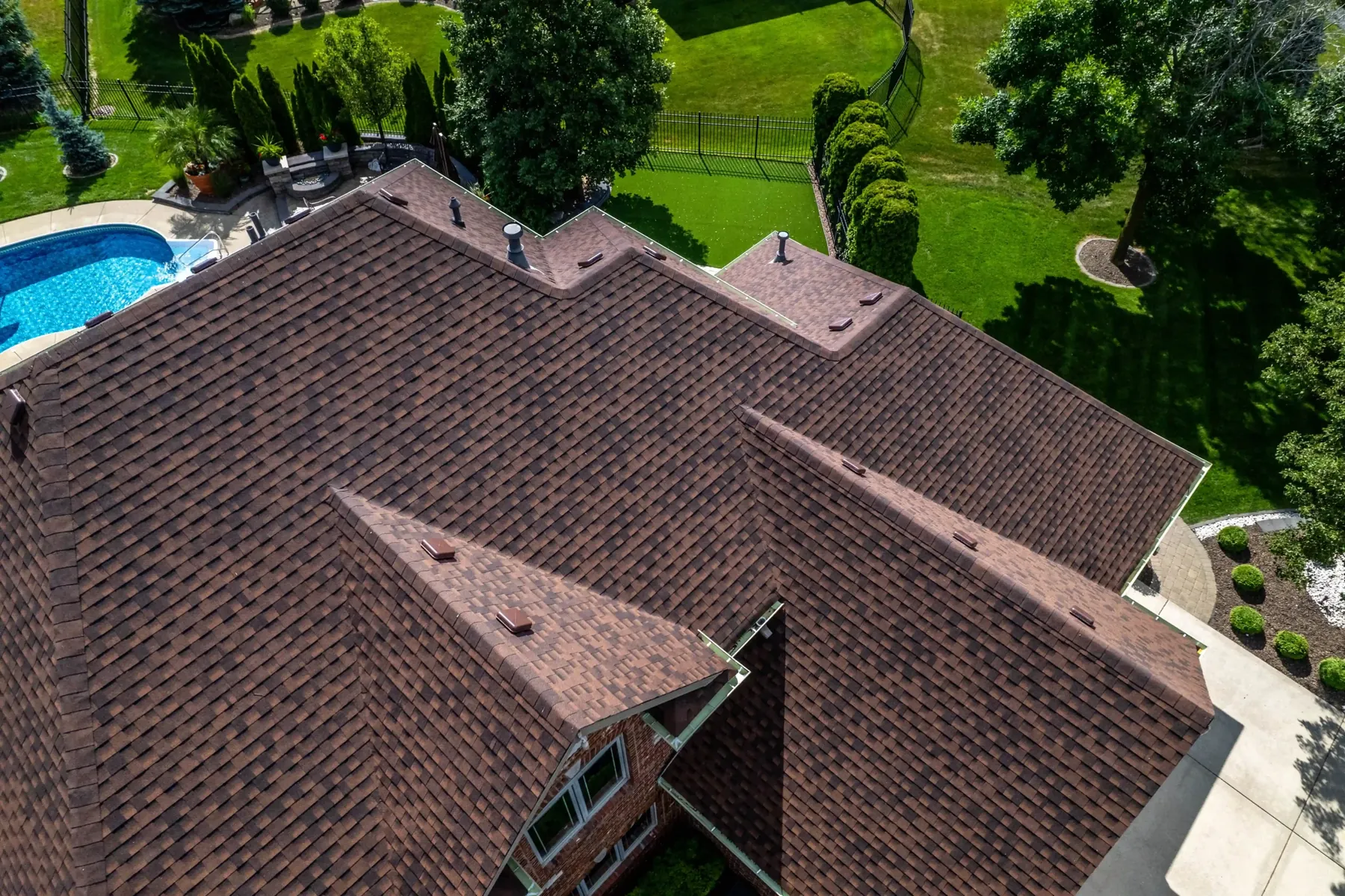
A fresh blanket of snow can make a New Lenox neighborhood look beautiful, but the weight collecting above your home deserves attention. When several snowstorms arrive close together, accumulated snow and ice can place additional pressure on roofing materials and the structure beneath them. Understanding snow load roof damage New Lenox, IL, homeowners may experience help identifying warning signs before winter conditions create serious problems.
Northern Illinois winters bring snowfall, freezing temperatures, strong winds, and occasional periods of rain followed by refreezing. These changing conditions affect how snow collects on residential roofs. A light snowfall may create little concern for a properly maintained roof, while repeated accumulation or heavy wet snow can increase the load considerably.
Older homes, additions, attached garages, and properties with complex rooflines deserve careful consideration because their structural designs and maintenance histories may differ. Existing decking damage, previous roof alterations, and drainage problems can also influence how a roofing system performs under winter conditions.
Clearway Exteriors provides roofing inspections, repairs, and exterior services throughout New Lenox and nearby Chicagoland communities. This guide explains how snow loads affect roofs, which warning signs require professional attention, and what homeowners can do to prepare for winter.
Why heavy snowfall creates additional pressure on residential roofs
Every roof is designed to support certain loads, including its own materials and environmental conditions such as snow. However, the amount of snow a roof can safely carry depends on its structural design, condition, and applicable building requirements.
Problems can develop when accumulated snow creates unusual loading conditions or when existing structural weaknesses reduce the roof’s ability to perform as intended.
Snow weight changes depending on its moisture content.
Fresh powder and dense wet snow do not weigh the same amount. Wet snow contains more water within a given volume and can create significantly greater weight than light snow of equal depth.
This is why snow depth alone cannot reliably determine whether a roof is overloaded.
Repeated snowstorms can increase accumulated loads.
Several storms occurring without enough melting can allow snow to build up over time. Wind can also move snow into concentrated drifts rather than distributing it evenly.
Homeowners should pay attention to changing roof conditions throughout winter instead of judging the situation after only one snowfall.
How different roof designs respond to snow accumulation
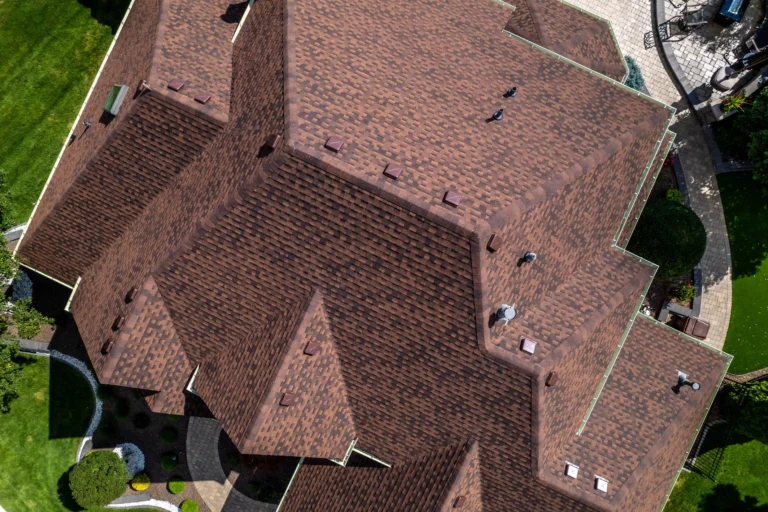
Residential roofs throughout New Lenox include ranch homes, split levels, two-story houses, and properties with additions or attached garages. Their roof slopes and structural arrangements influence where snow collects.
Steeper roofs may shed some snow more readily, while lower slopes and roof intersections can hold accumulations for longer periods.
Roof valleys can collect concentrated snowfall.
Valleys connect adjoining roof slopes and often become gathering points for snow drifting from higher sections.
These areas also carry melting water toward gutters. When ice or debris blocks drainage, moisture may remain against roofing materials longer than intended.
Lower roofs beneath taller walls deserve attention
An attached garage or porch roof below a taller section can receive drifting snow from nearby roof surfaces.
In certain layouts, snow may also slide from an upper roof onto a lower section, adding temporary impact and concentrated loading concerns.
Additions may have different structural characteristics.
Older additions and converted spaces sometimes have framing arrangements that differ from the original home.
A qualified structural professional should evaluate suspected overload concerns rather than assuming every part of the house has identical load capacity.
Heavy snow on a roof does not automatically mean structural damage
Seeing heavy snow on roof surfaces can make homeowners nervous, especially after consecutive storms. Yet visible accumulation does not necessarily indicate that the structure is failing.
The important factors include snow weight, distribution, roof design, structural condition, and the presence of warning signs.
A properly designed roof can support expected winter conditions.
Roof structures are designed according to applicable loads and construction requirements. Snow capacity should not be estimated from appearance alone.
Homeowners who are concerned about unusual accumulation should seek professional advice before attempting removal.
Existing damage can increase vulnerability.
Previous water intrusion, compromised structural framing, or unauthorized modifications may affect how a roof responds to additional weight.
These conditions require careful evaluation because surface repairs alone cannot correct underlying structural problems.
Warning signs can indicate dangerous roof stress
Some symptoms suggest that accumulated snow may be placing excessive pressure on the roof or that the structure has an existing weakness.
Homeowners should never ignore sudden changes in roof shape or the behavior of interior building components.
Watch for visible structural warning signs
Important signs include:
- New or rapidly increasing roof sagging
- Cracking or unusual movement in structural areas
- Doors or windows suddenly becoming difficult to open
- Loud cracking or popping sounds accompanied by visible movement
- Damaged ceiling materials or unexpected structural deformation
These signs do not establish the exact cause, but they can indicate a potentially dangerous situation.
Structural concerns require immediate professional attention
If you suspect imminent roof failure, leave the affected building or area and contact emergency services.
Do not enter the attic or attempt to remove snow from a roof showing signs of structural distress. A qualified structural engineer or appropriate emergency professional should evaluate the condition.
Snow and ice can damage roofing materials without overloading the structure
Not every winter roof problem involves excessive structural weight. Snow melt, ice buildup, and repeated freezing can also affect shingles, flashing, gutters, and underlayment.
Even when the roof framing remains sound, moisture can enter through deteriorated components.
Ice dams develop when snow melts unevenly
Heat escaping into the attic can warm sections of the roof deck, causing snow to melt. Water moving toward colder eaves may refreeze and form an ice ridge.
Additional meltwater can collect behind that ridge and potentially move beneath shingles.
Wind-driven snow can expose weak flashing
During winter storms, strong winds may push snow against roof penetrations, chimneys, and wall intersections.
As the snow melts, water can enter through existing flashing defects or poorly sealed connections.
Small leaks can remain hidden until temperatures change
Moisture may reach insulation or decking before becoming visible on interior ceilings.
A professional assessment can help distinguish roof leakage from attic condensation or other moisture sources.
Attic insulation plays a role in winter roof protection
Attic insulation helps reduce heat transfer between conditioned rooms and the roof space.
When insulation is insufficient or uneven, warm indoor air can increase roof deck temperatures and contribute to irregular snow melting.
Air leaks can undermine insulation performance
Gaps around attic hatches, plumbing openings, and other penetrations may allow heated air into the attic.
Correcting these openings can help manage heat loss and reduce conditions associated with ice dam formation.
Insulation improvements should be planned carefully
Adding insulation without reviewing ventilation and existing moisture conditions may not address every problem.
A complete evaluation helps homeowners identify which improvements are suitable for their building.
Roof ventilation helps manage attic heat and moisture
A properly designed ventilation system allows airflow through designated intake and exhaust openings.
During winter, ventilation supports moisture management and can help reduce excessive warming beneath the roof deck.
Blocked soffit vents can limit airflow
Insulation or stored materials near intake openings may interfere with ventilation.
Inspectors should examine accessible areas to determine whether vents remain clear.
Condensation can resemble a roof leak
Moisture collecting on cold attic surfaces may produce staining or damp insulation even when shingles remain intact.
Understanding the difference between condensation and roof leakage is important before recommending repairs.
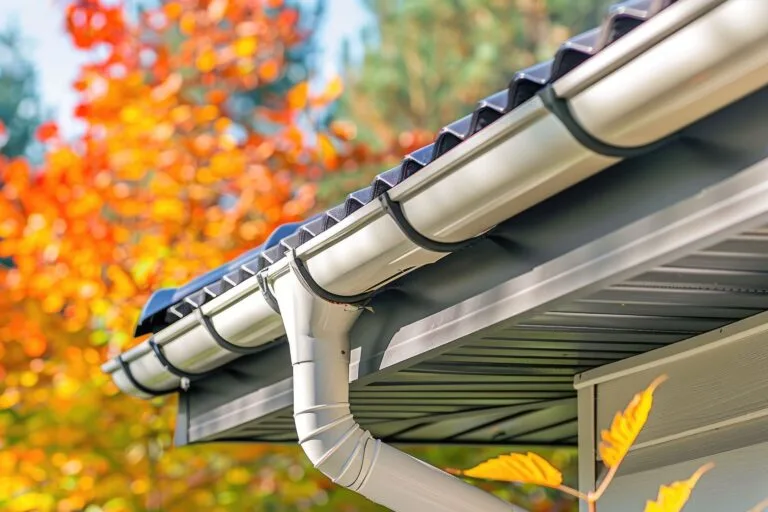
Gutters and downspouts can suffer damage during freezing weather
Snow and ice affect more than roofing surfaces. Gutters can become filled with frozen debris or trapped water, placing additional weight on their attachment systems.
Loose gutters may pull away from fascia boards, while blocked downspouts can prevent melting snow from draining correctly.
Frozen drainage systems can worsen existing weaknesses
Gutters that already sag or leak during autumn are more vulnerable to additional winter stress.
Addressing damaged fasteners, blocked outlets, and deteriorated fascia before snowfall helps maintain drainage.
Safe maintenance should begin before winter
Removing leaves and debris during fall is generally easier than attempting gutter cleaning after ice has formed.
Homeowners should avoid working from ladders near icy surfaces or unstable snow accumulations.
A roofing contractor can help identify winter vulnerabilities
Professional inspections are useful when a roof shows previous leakage, damaged materials, or unusual winter performance.
A qualified roofing contractor can assess accessible shingles, flashing, roof edges, and drainage components.
Structural concerns require specialized expertise
Roofers can identify visible damage and recommend roofing repairs, but suspected structural overloading may require evaluation by a structural engineer.
Homeowners should not rely on a standard roof inspection as proof that a heavily loaded roof is structurally safe.
Professional recommendations should explain the actual problem
Clear inspection findings help distinguish damaged shingles from flashing failures, drainage issues, and potential structural concerns.
This prevents unnecessary replacement work when the underlying problem requires a different solution.
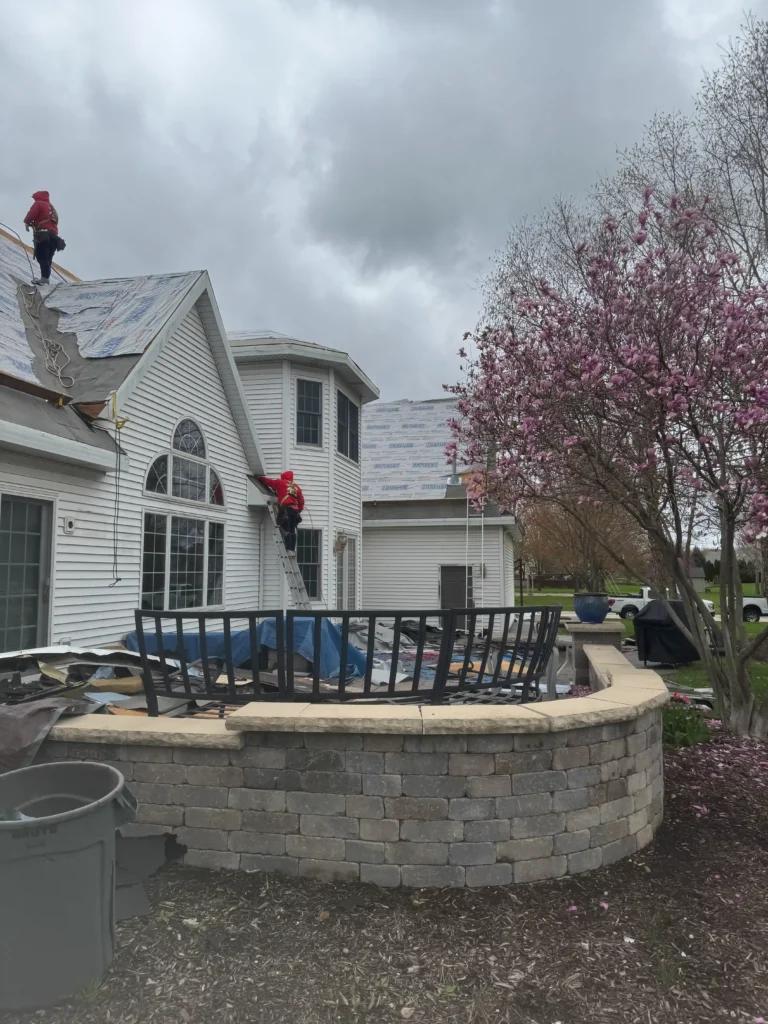
Roof repair can correct damage caused by winter weather
Winter conditions may loosen shingles, damage flashing, or expose problems around roof penetrations.
Professional Roof-repair services can address these issues once the roof is safe to access and suitable installation conditions are available.
Localized repairs may restore weather protection
Replacing damaged shingles, restoring flashing, or correcting roof edge details can help prevent recurring leaks when the surrounding materials remain functional.
Homeowners searching for roof repair New Lenox IL services should request a clear explanation of the damage and proposed work.
Hidden moisture problems may require additional repairs
Water entering beneath shingles can affect underlayment or decking.
If concealed deterioration is discovered, the repair scope may need adjustment before new roofing materials are installed.
Roof installation quality influences long-term winter performance
A roof replacement project involves several layers that must work together to manage moisture and weather exposure.
During Roof installation, contractors should assess decking condition, underlayment, flashing, ventilation, and roof edge details.
Ice and water protection provides additional moisture resistance
Self-adhering membranes installed beneath shingles in vulnerable areas help protect against water backup.
These materials do not increase structural snow capacity or eliminate ice dams, but they provide an additional layer of defense against moisture intrusion.
Roof replacement does not automatically correct structural weaknesses
New shingles improve the roofing surface but do not necessarily strengthen inadequate framing.
Any suspected structural deficiency must be evaluated separately and addressed through appropriate design and construction measures.
When professional snow removal may be appropriate
Snow removal is not necessary after every snowfall. However, unusual accumulation, concentrated drifting, or professional concerns about loading may justify evaluation.
The decision should consider actual roof conditions and structural information rather than a universal snow-depth threshold.
Homeowners should avoid climbing onto snowy roofs
Wet shingles, concealed ice, and shifting snow create serious fall hazards.
Improper shoveling can also damage roofing materials or create uneven loading across the structure.
Roof rakes require careful use
A suitable roof rake used from a safe ground position may help remove snow near accessible eaves.
Avoid pulling forcefully against shingles or standing beneath large sliding accumulations. Difficult or hazardous situations should be handled by qualified professionals.
Winter roof damage in Illinois can appear after the snow melts
Some roofing problems remain concealed beneath snow until temperatures rise.
Water stains, damaged shingles, loose gutters, and exposed flashing may become noticeable only after the thaw.
Spring inspections help identify winter-related deterioration
Homeowners concerned about winter roof damage Illinois conditions may benefit from an inspection after repeated freeze and thaw cycles.
Checking roof edges, valleys, drainage, and visible attic conditions helps identify developing concerns.
Maintain photographs and repair records
Documenting visible damage creates a useful reference for future inspections.
If insurance questions arise, photographs and professional findings can help explain the condition of the property, although coverage remains subject to the policy and insurer’s determination.
How New Lenox homeowners can prepare before the next snowfall
Preventive maintenance cannot eliminate every snow-related risk, but it can help identify weaknesses before winter becomes severe.
A practical preparation plan includes roofing, drainage, attic, and tree maintenance.
Important steps before winter arrives
- Schedule an inspection when visible roofing damage is present
- Clean gutters and confirm proper downspout drainage
- Check accessible attic areas for moisture or ventilation concerns
- Arrange repairs for damaged flashing and shingles
- Have questionable structural conditions evaluated by a qualified professional
These steps support better preparation without exposing homeowners to unnecessary roof access risks.
Why local roof conditions matter in New Lenox
Residential properties across New Lenox vary in construction age, roof pitch, structural layout, and maintenance history.
Homes with attached garages, dormers, roof additions, or multiple elevations may collect snow differently from simpler roof designs.
Tree coverage and wind exposure influence accumulation
Nearby buildings and landscaping can change how wind moves snow across a roof.
Concentrated drifts sometimes occur in locations that received less direct snowfall during the storm.
Individual assessment is more useful than general assumptions
Two neighboring homes may have different framing conditions or roofing histories.
Professional evaluation should consider the actual property rather than assuming that similar-looking roofs behave identically.
Conclusion
Understanding snow load roof damage New Lenox IL homeowners may face is important for protecting residential roofs during harsh winter weather. Snow weight depends on moisture content, accumulation patterns, roof design, and structural condition. Visible snow depth alone cannot determine whether a roof is safe.
Routine inspections, clear drainage, proper attic conditions, and timely roofing repairs help address many winter-related concerns. Sudden structural movement or suspected overload requires immediate attention from qualified emergency or structural professionals.
Clearway Exteriors provides roof inspections, repairs, replacement, and exterior services throughout New Lenox and surrounding Chicagoland communities, helping homeowners identify winter roofing problems and maintain reliable weather protection. Call (866) 328-1110 to schedule a roofing inspection or discuss repair needs at 18521 Spring Creek Drive Unit B, Tinley Park, IL 60477.
Snow Load and Winter Roof Damage FAQs
How much snow is too much for a roof in New Lenox?
There is no single snow-depth limit that applies to every roof. Safe snow loads depend on the roof’s structural design, condition, snow density, and accumulation pattern. A qualified structural professional should evaluate suspected overload concerns.
What are the warning signs of snow load roof damage?
Warning signs may include new roof sagging, unusual structural movement, sudden difficulty opening doors or windows, and cracking sounds accompanied by visible changes. Suspected structural failure requires immediate evacuation of the affected area and professional assistance.
Should homeowners remove heavy snow from their roofs?
Snow removal is not necessary after every snowfall. When unusual accumulation creates concerns, homeowners should seek professional advice. Climbing onto snowy roofs is dangerous, and improper removal can damage roofing materials or create uneven loading.
Can heavy snow cause roof leaks without structural damage?
Yes. Snow melt can enter through damaged flashing, shingles, or roof penetrations. Ice dams may also cause water to back up beneath roofing materials even when the roof structure remains sound.
When should I schedule a winter roof inspection in New Lenox?
Schedule an inspection when you notice roof leaks, damaged shingles, loose flashing, drainage problems, or visible winter deterioration. Suspected structural overloading should be evaluated by a qualified structural professional rather than treated as a routine roofing repair.