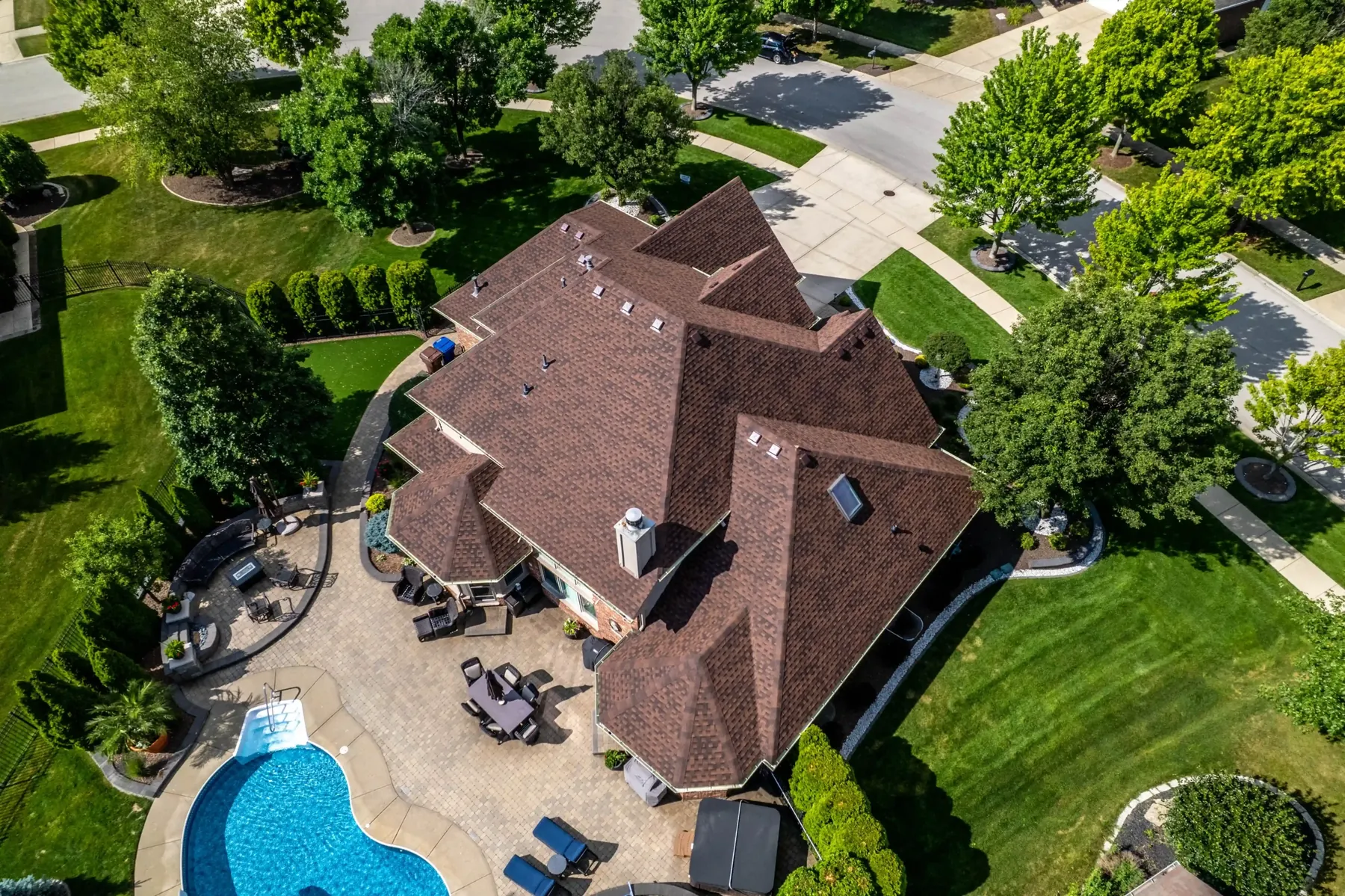
Knowing the signs you need a new roof can help you avoid costly damage and protect your home before small problems become major repairs. Your roof is one of the most important parts of your home, shielding your family from rain, snow, wind, heat, and moisture throughout the year. In Tinley Park, Illinois, changing weather conditions can put constant stress on roofing materials, causing wear and tear over time.
Many homeowners don’t think about their roof until they notice a leak, missing shingles, or water stains on the ceiling. Unfortunately, roofing issues often develop gradually and can become more expensive to fix when left unaddressed. Understanding the warning signs early can help you make informed decisions and maintain the long-term safety of your home.
If you’re wondering whether your roof is still performing as it should, here are seven common warning signs that it may be time to consider a roof replacement in 2026.
Why Roof Condition Matters in Tinley Park
Tinley Park homeowners experience all four seasons, and each one can affect a roof differently. Winter freeze-thaw cycles can weaken roofing materials, while strong spring winds may loosen shingles. Summer heat and UV exposure can cause aging shingles to dry out and become brittle. Even fallen leaves and debris in the fall can contribute to moisture-related issues.
Because roof damage often develops slowly, many homeowners do not notice a problem until water starts making its way inside the home. Staying aware of early warning signs can help prevent larger issues and protect your investment.
1. Your Roof Has Repeated Leaks
A single roof leak does not always mean you need a new roof. Sometimes a damaged flashing section or a missing shingle can be repaired without replacing the entire system. However, recurring leaks are often a sign that the roof is experiencing broader deterioration.
Why Repeated Leaks Are a Concern
Water has a way of finding hidden paths. The spot where a stain appears on your ceiling may not be directly below the actual leak. This can make recurring water intrusion difficult to diagnose without a professional inspection.
Repeated leaks can eventually affect:
- Roof decking and attic insulation
- Drywall, ceilings, and interior finishes
If leaks continue to return after repairs, it may be time to consider whether replacement is a more practical long-term solution.
2. Shingles Are Missing, Curling, or Cracking
Shingles are your roof’s first layer of defense against the elements. As they age, they can begin to curl, crack, loosen, or even blow off during storms.
What Damaged Shingles Can Mean
A few damaged shingles can often be replaced. However, widespread shingle deterioration may indicate that the entire roofing system is aging. Once shingles lose their ability to properly seal and protect the roof surface, moisture can begin to work its way underneath.
If you notice damaged shingles across multiple sections of the roof, it is worth scheduling an inspection before the problem worsens.
3. You Notice Granules in Your Gutters
Asphalt shingles are coated with small granules that help protect them from sunlight and weather exposure. Over the years, some granule loss is normal. Excessive granule loss, however, may signal that the shingles are nearing the end of their useful life.
Why Granule Loss Matters
Granules act as a protective shield against UV rays and harsh weather. When shingles lose too many granules, they become more vulnerable to cracking, drying out, and premature aging.
You may notice granules collecting in gutters, around downspouts, or near the edges of your home. If your roof is older and granule loss is becoming noticeable, it may be time for a professional evaluation.
4. Your Roof Looks Uneven or Sagging
A roof should appear straight and level when viewed from the ground. If you notice dips, low spots, or sagging sections, it may indicate a deeper structural problem.
What Causes Roof Sagging?
Sagging can develop when moisture damages the roof decking or supporting structures beneath the shingles. In some cases, poor ventilation or long-term wear may also contribute to the issue.
Unlike cosmetic roofing concerns, structural problems should never be ignored. A sagging roof can worsen over time and may eventually affect the safety and stability of the home.
5. Your Roof Is Reaching the End of Its Lifespan
Age alone does not always mean a roof needs replacement, but it is one of the most important factors to consider.
Most asphalt shingle roofs last between 20 and 30 years, depending on installation quality, ventilation, maintenance, and weather exposure. If your roof is approaching that range and showing signs of wear, replacement may provide better long-term value than ongoing repairs.
Signs of an Aging Roof
Older roofs often develop multiple issues at the same time. Shingles may become brittle, flashing may loosen, and sealants may begin to fail. Even if no major leaks are present yet, these conditions can increase the risk of future problems.
6. Your Energy Bills Keep Increasing
Many homeowners are surprised to learn that roofing problems can affect indoor comfort and energy efficiency.
The Connection Between Roofing and Energy Use
Your roofing system works together with attic insulation and ventilation to help regulate indoor temperatures. When roofing materials deteriorate or ventilation becomes ineffective, excess heat and moisture can build up in the attic.
As a result, your heating and cooling system may need to work harder throughout the year. While rising energy bills can have multiple causes, roofing issues are often part of the equation.
7. You Are Paying for Repairs More Often
Roof repairs can be a smart solution when damage is limited to one area. However, there comes a point when repeated repairs stop making financial sense.
When Replacement Becomes the Better Investment
If you find yourself scheduling repairs after every major storm or dealing with new roofing issues each year, your roof may be telling you that it has reached the end of its service life.
Instead of continually addressing one problem at a time, a replacement can provide a fresh start and greater peace of mind.
Roof Repair vs. Roof Replacement
Many homeowners struggle with deciding whether to repair their roof or replace it entirely. The answer depends on the extent of the damage, the age of the roof, and the long-term costs involved.
| Factor | Roof Repair | Roof Replacement |
| Damage Level | Limited to a specific area | Widespread wear or damage |
| Roof Age | Relatively newer roof | Older roof nearing end of lifespan |
| Leak History | Isolated leak | Multiple recurring leaks |
| Short-Term Cost | Lower upfront expense | Higher initial investment |
| Long-Term Value | Temporary solution in some cases | Greater long-term protection |
A professional inspection can help determine which option makes the most sense for your home.
Other Warning Signs Homeowners Should Watch
Not every roofing issue is obvious. Some signs can be easy to overlook until they become more serious.
Exterior Warning Signs
Keep an eye out for:
- Missing shingles or damaged flashing
- Clogged gutters and visible roof deterioration
Interior Warning Signs
Inside your home, look for water stains, peeling paint, attic moisture, musty odors, or signs of mold growth. These issues may indicate that water is finding its way through the roofing system.
Why a Professional Roof Inspection Matters
Even experienced homeowners can miss roofing issues that are hidden beneath the surface. A professional inspection provides a complete assessment of the roof’s condition, including shingles, flashing, ventilation, decking, and drainage systems.
An inspection can help identify problems early, allowing you to make informed decisions before small issues turn into expensive repairs.
Why Acting Early Can Save Money
One of the biggest mistakes homeowners make is waiting too long to address roofing concerns. A minor leak today can eventually damage insulation, drywall, framing, and other parts of the home.
Taking action when the first warning signs appear often results in lower repair costs and fewer surprises down the road. It also helps ensure your home remains protected through Tinley Park’s changing seasons.
Conclusion
Knowing the signs you need a new roof can help Tinley Park homeowners protect their homes before small problems become expensive damage. Repeated leaks, missing shingles, granule loss, sagging areas, roof age, rising energy bills, and frequent repairs are all important warning signs.
If you are unsure whether your roof needs repair or replacement, a professional inspection is the best next step. It can help you understand the true condition of your roof and choose the right solution for your home.
Call Clearway Exteriors today at (866) 328-1110 to schedule a roof inspection or speak with a roofing professional about your roofing needs in Tinley Park, IL. Visit us at 18521 Spring Creek Drive Unit B, Tinley Park, IL 60477.
New Roof FAQs
What are the most common signs you need a new roof?
Common signs include repeated leaks, missing shingles, curling shingles, granule loss, sagging areas, roof age, and frequent repair needs.
How do I know when to replace a roof in Illinois?
You may need to replace your roof in Illinois when it has widespread damage, repeated leaks, aging shingles, storm damage, or structural concerns that repairs cannot solve long term.
Can roof damage be repaired instead of replaced?
Yes, minor damage can often be repaired if the roof is otherwise in good condition. Replacement may be better when damage is widespread or the roof is near the end of its life.
Are missing shingles a serious roof replacement sign?
Missing shingles can be serious because they expose the roof to water, wind, and moisture damage. If many shingles are missing or damaged, replacement may be needed.
Why should Tinley Park homeowners schedule a roof inspection?
A roof inspection helps identify leaks, storm damage, aging materials, ventilation issues, and other warning signs before they become larger problems.