
If you are planning a new roof, one of the first questions you may ask is how long roof replacement takes from start to finish. Most homeowners want to know how long the crew will be at the house, how much disruption to expect, when materials will arrive, and whether weather can delay the job.
For many standard homes in Tinley Park, roof replacement may be completed within a short project window once work begins. However, the full timeline can vary based on roof size, roof pitch, material type, existing damage, weather, crew size, access, and inspection needs.
Illinois weather can also affect the schedule. Rain, wind, snow, freezing temperatures, and sudden storms may delay tear-off or installation. A good contractor will plan around the forecast and protect the home if weather changes during the project.
This guide explains the roof replacement process timeline, what happens before installation day, what homeowners should expect during the work, and what can make a roof replacement take longer.
Why the roof replacement timeline is different for every home
No two roofing projects are exactly the same. A small, simple roof may be completed faster than a larger home with steep slopes, dormers, valleys, skylights, chimneys, or multiple layers of old shingles. The condition of the roof deck also matters.
Some homes only need old shingles removed and new materials installed. Others may need damaged decking replaced, ventilation corrected, flashing rebuilt, or gutters protected during the work. These details can change the timeline.
Tinley Park weather can affect roofing schedules
Roofing work depends heavily on safe weather. Rain can make the roof slippery and expose the home to moisture during tear-off. Strong wind can make material handling unsafe. Freezing temperatures can affect certain installation details.
That is why a contractor may adjust the schedule if the forecast changes. A short delay is usually better than rushing work during unsafe or poor installation conditions.
Most roof replacements follow a clear step-by-step process
A roof replacement is not only one installation day. The process usually includes inspection, estimate review, material selection, scheduling, delivery, tear-off, deck inspection, installation, cleanup, and final review.
Understanding this process helps homeowners know what to expect before the crew arrives. It also reduces stress because you can prepare your home, driveway, pets, vehicles, and outdoor areas in advance.
The timeline starts before the first shingle is removed
The visible work may happen quickly, but preparation begins earlier. The contractor needs to inspect the roof, prepare the estimate, order materials, schedule the crew, and plan disposal.
If storm season is busy, scheduling may take longer because many homeowners may need roofing service at the same time.
The inspection and estimate stage usually comes first
Before replacement, a contractor should inspect the current roofing system. This includes shingles, flashing, roof valleys, vents, chimneys, skylights, gutters, roof edges, attic ventilation, and visible signs of water damage.
The inspection helps determine whether replacement is truly needed and what should be included in the estimate. It also helps identify possible issues that may affect the timeline, such as damaged decking or multiple roof layers.
A clear estimate helps avoid delays later
A good estimate should explain materials, labor, tear-off, underlayment, flashing, ventilation, cleanup, disposal, and warranty details. If the project scope is unclear, questions and changes may delay the schedule.
Homeowners should review the estimate carefully before approving the job. Once the scope is agreed on, the contractor can move forward with planning.
Material selection can affect how quickly the project begins
Roofing materials must be chosen before the job is scheduled. Asphalt shingles are commonly available and are often easier to schedule. Specialty colors, premium shingles, metal roofing, or custom materials may take longer to order.
The homeowner’s color and material decision can also affect timing. If you take longer to choose a product, the start date may move.
Common material decisions before installation
Most homeowners need to choose shingle style, color, ventilation upgrades, flashing details, underlayment options, and warranty level. These decisions should be made before materials are delivered.
A reliable contractor can explain which options fit your home, budget, and Illinois weather conditions.
Delivery and home preparation happen before installation day
Before the crew starts, materials may be delivered to your home. Shingles, underlayment, flashing, vents, and other roofing supplies may be placed on the driveway or near the work area. A dumpster or dump trailer may also arrive for old roofing materials.
Homeowners should move vehicles away from the driveway, clear patio furniture, protect fragile outdoor items, and keep children and pets away from work zones.
Preparing your property makes the work smoother
A simple preparation plan can help the crew work safely and efficiently:
- Move cars from the driveway before materials or crews arrive
- Clear outdoor furniture, grills, potted plants, and decorations near the house
- Cover items in the attic if debris may fall during tear-off
- Let neighbors know there may be noise during the project
- Keep pets and children indoors or away from the work area
These small steps can help prevent delays and protect your property.
Tear-off is usually the first major step on installation day
Tear-off means removing the old roofing materials. This allows the contractor to inspect the roof deck and install the new system properly. Tear-off can be quick on a simple roof, but it may take longer if there are multiple layers or difficult access.
Removing old materials is noisy and messy, but a professional crew should manage debris carefully. Old shingles, nails, flashing, and underlayment are removed and placed into the disposal area.
Multiple layers can add time to the project
Some older roofs may have more than one layer of shingles. Removing multiple layers takes more labor and creates more waste. It can also reveal hidden damage underneath.
A full tear-off is important because new roofing materials should be installed over a stable and properly prepared surface.
The roof deck inspection can change the timeline
After tear-off, the contractor checks the roof deck. The deck is the wood surface beneath the roofing materials. If it is solid, installation can continue. If it is soft, rotted, warped, or damaged, it needs to be repaired or replaced before new materials are installed.
Decking damage is one of the most common reasons a roof replacement takes longer than expected. Some damage cannot be fully confirmed until the old roof is removed.
Hidden damage should not be ignored
Installing new shingles over bad decking can lead to future problems. The roof may not hold fasteners properly, and weak areas can create leaks or uneven surfaces.
A good roofing contractor will explain any discovered deck damage, show photos when possible, and review the repair before continuing.
Installation time depends on roof size and complexity
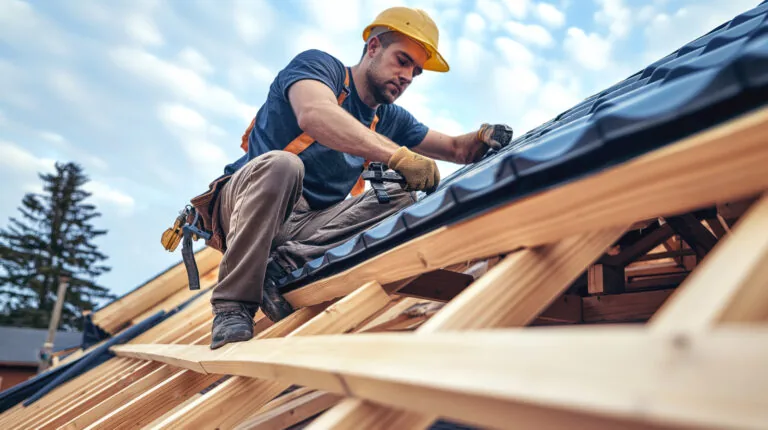
Once the deck is ready, the crew begins installing the new roofing system. This includes underlayment, drip edge, flashing, starter shingles, field shingles, ridge caps, and ventilation components.
This is the stage most homeowners think of when they ask what to expect roof installation day. The crew will be active around the home, and there will be noise from removal, nailing, cutting, and cleanup.
Complex rooflines take more time
A roof with many valleys, dormers, skylights, chimneys, and steep sections requires more detailed work. These areas need careful flashing and cutting to prevent leaks.
A simple roof may move quickly. A more detailed roof may need extra time because the crew must focus on precision around vulnerable areas.
Ventilation and flashing details should not be rushed
Ventilation and flashing are two of the most important parts of a roofing system. They can also affect the timeline because they require careful attention.
Flashing protects areas where the roof meets walls, chimneys, skylights, and vents. Ventilation helps control attic heat and moisture. If either is handled poorly, the new roof may develop problems sooner.
Roof installation quality matters more than speed
A proper Roof installation should not be rushed just to finish faster. Good installation includes correct fastener placement, sealed vulnerable areas, balanced ventilation, proper underlayment, and clean roof edges.
Homeowners should care more about correct work than the shortest possible timeline. A fast job is not helpful if it creates leaks later.
Weather can delay or pause the roofing work
Illinois weather can change quickly. Even if the project starts with a clear forecast, rain or wind may appear. A professional contractor should monitor the forecast and protect open roof areas if weather becomes a concern.
In some cases, work may pause until conditions are safe again. This protects both the crew and the home.
Good contractors plan for weather changes
A contractor should not leave your home exposed. If weather interrupts the project, they should secure the roof with protective materials and continue when conditions improve.
This is especially important during spring and summer storm seasons in Illinois.
Cleanup and final inspection are part of the timeline.
Roof replacement does not end when the last shingle is installed. Cleanup is an important part of the job. The crew should remove debris, collect nails, clean gutters if needed, check the yard, and remove disposal materials.
A final review should confirm that flashing, vents, shingles, ridge caps, and roof edges are properly completed.
Homeowners should review the finished work.
After completion, ask the contractor to explain what was done. Review warranty information, maintenance tips, and any photos from the project.
If damaged decking was replaced or ventilation was upgraded, ask for details so you understand what changed.
Some projects take longer because repairs are found during the job
Not every delay is bad. Sometimes extra time means the contractor found and corrected a problem that would have affected the new roof.
For example, damaged decking, poor ventilation, rotten fascia, old flashing, or hidden leak damage may need attention. These repairs help the roof perform better after installation.
Roof repair needs can appear during replacement.
A professional roof-repair approach is still important during a replacement project. Even when installing a new roof, certain damaged areas need targeted correction before the new materials go on.
Fixing these issues during the project helps prevent future leaks and protects the investment.
Homeowners can make the timeline smoother with good communication
Clear communication helps the project move better. Before work begins, confirm the start date, material delivery date, parking needs, crew arrival window, cleanup plan, and payment schedule.
Ask who your main contact will be during the project. If questions or changes come up, you should know who to call.
Confirm expectations before installation begins
Before the first workday, confirm these details:
- Where materials and disposal equipment will be placed
- Whether attic items should be covered
- How long the project is expected to take
- What happens if weather delays the job
- How decking damage or extra repairs will be handled
These details help reduce confusion once work starts.
A typical roofing timeline in Illinois can vary by season
The roofing timeline Illinois homeowners experience may change depending on the time of year. Spring and summer can be busy because storms often create more roofing demand. Fall is also common because homeowners want repairs completed before winter.
Winter roofing may be possible in some cases, but cold conditions can affect scheduling and installation planning. Weather is always part of the decision.
Scheduling earlier can help avoid delays
If your roof is aging or showing signs of damage, do not wait until a major storm season. Planning early can give you more flexibility with scheduling, materials, and contractor availability.
Emergency roofing projects are often more stressful than planned replacements.
How long should homeowners expect the full process to take?
The visible installation may only take a short time for many homes, but the full process includes inspection, estimate approval, material ordering, scheduling, installation, cleanup, and final review.
The total timeline depends on contractor availability, material selection, roof condition, weather, and the complexity of the home. The best way to understand your exact timeline is through a professional inspection and written project plan.
A clear plan makes the project easier.
A good contractor should explain what will happen before, during, and after installation. You should not be left guessing about materials, timing, cleanup, or warranty information.
The more clearly the project is planned, the smoother the experience usually feels.
Conclusion
So, how long does roof replacement take? The answer depends on roof size, layout, materials, weather, decking condition, ventilation needs, and contractor scheduling. Many standard roof replacements move quickly once installation begins, but the full process includes planning, inspection, material ordering, cleanup, and final review.
Tinley Park homeowners should expect noise, debris, material delivery, crew activity, and possible weather-related schedule changes. With the right contractor and proper preparation, the process can be organized, clear, and much less stressful.
Call Clearway Exteriors today at (866) 328-1110 to schedule a roof inspection or speak with a roofing professional about your roofing. Visit us at 18521 Spring Creek Drive Unit B, Tinley Park, IL 60477.
Roof Replacement Timeline FAQs
How long does roof replacement take for most homes?
Many standard roof replacements can be completed within a short project window once installation begins, but the exact timeline depends on roof size, complexity, weather, materials, and hidden damage.
What can make a roof replacement take longer?
Roof replacement can take longer when there is bad weather, steep roof pitch, multiple old layers, damaged decking, complex rooflines, specialty materials, or ventilation and flashing repairs.
What should I expect during roof installation?
Homeowners should expect material delivery, crew activity, noise, old roof removal, deck inspection, new material installation, cleanup, and a final review of the completed roof.
Can weather delay a roof replacement in Illinois?
Yes, rain, snow, high winds, freezing temperatures, and sudden storms can delay roofing work in Illinois because safe and dry conditions are important for proper installation.
How can I prepare my home for roof replacement?
Move vehicles from the driveway, clear outdoor items near the home, protect attic belongings, keep pets and children away from work areas, and confirm project details with your contractor.