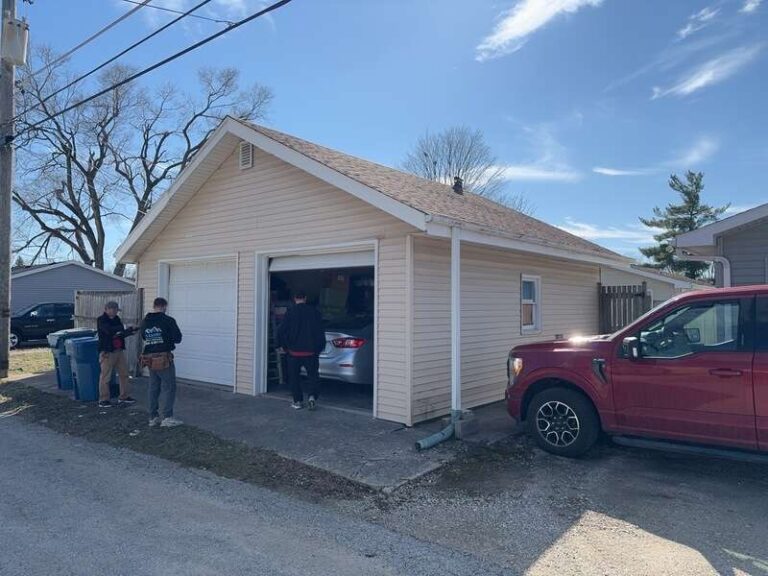

Preparing for roofing Orland Park, IL, storm season concerns should start before the first major thunderstorm reaches your neighborhood. Storm season can bring heavy rain, strong wind, hail, flying debris, falling branches, and fast temperature changes. If your roof already has weak shingles, loose flashing, clogged gutters, or aging roof edges, a storm can turn a small issue into a serious leak.
For homeowners in Orland Park, roof protection is not only about the shingles you see from the ground. A storm-ready roof depends on the full exterior system. That includes flashing, gutters, soffit, fascia, attic ventilation, roof decking, drainage, and proper installation details. When these parts work together, your home has a better chance of handling severe weather.
This guide explains how Orland Park homeowners can prepare for storm season, what warning signs to watch for, when to schedule an inspection, and how professional roofing help can reduce the risk of costly damage.
Why Orland Park homeowners should prepare their roofs before storm season
Storm preparation is easier before damage happens. Once a major weather event moves through the area, roofing companies may become busy, materials may take longer to schedule, and small problems may already have become active leaks.
A roof that is in good condition can still suffer storm damage. However, a roof with existing wear is more vulnerable. Loose shingles can lift in wind. Old flashing can separate. Weak gutters can overflow. Soft fascia can allow water to move behind the roof edge.
Small roof problems can become bigger during heavy weather
A small crack, lifted shingle, or clogged gutter may not seem urgent on a clear day. During heavy rain and wind, that same weak spot can allow water into the attic, behind siding, or under the roofing surface.
This is why storm preparation should focus on prevention. The goal is to find weak areas before severe weather tests them.
A roof inspection helps homeowners understand their storm risk
A professional roof inspection is one of the best ways to prepare for storm season. A roofer can check shingles, flashing, valleys, vents, gutters, soffit, fascia, and attic ventilation. These areas are where storm-related problems often begin.
Many homeowners only look at the roof from the driveway. That can help you notice missing shingles or sagging gutters, but it will not reveal every concern. Hail damage, loose flashing, weak sealants, and early granule loss can be difficult to see without a closer inspection.
Professional inspections look beyond surface appearance
A good inspection reviews how the roof is performing as a system. The contractor may look for aging shingles, lifted tabs, nail pops, cracked pipe boots, loose ridge caps, damaged roof valleys, and soft roof decking signs.
This gives homeowners a clearer idea of whether repairs are needed before storms arrive.
Gutters and downspouts should be cleaned before heavy rain
Gutters are a major part of storm preparation. When gutters are clogged with leaves, roof granules, twigs, or seed pods, water cannot drain correctly. During heavy rain, water may spill over the edge and damage fascia, siding, landscaping, and foundation areas.
Orland Park homes with trees nearby are especially likely to deal with clogged gutters. Spring debris and fall leaves can collect quickly, especially around roof valleys and downspout openings.
Drainage problems can create roof edge damage
When water backs up near the roof edge, it can reach places it should not. It may move behind gutters, soak fascia boards, stain siding, or pool near the foundation.
Before storm season, gutters should be cleared and checked for proper slope, secure fasteners, and working downspouts.
Shingles should be checked for wind and hail vulnerability
Shingles take the direct impact of storm weather. Strong wind can lift loose shingles. Hail can bruise the surface and knock away protective granules. Heavy rain can expose weak areas where shingles are cracked, curled, or missing.
If shingles are already brittle or aging, they may not hold up well during storm season. Even if the roof is not leaking now, damaged shingles can make the home more vulnerable.
Common shingle warning signs should not be ignored
Homeowners should watch for curled edges, missing shingles, lifted tabs, cracked shingles, bald patches, dark streaking, and heavy granule buildup in gutters. These are signs that the roof may need attention before storms arrive.
A few damaged shingles may be repairable. Widespread damage may suggest the roof is nearing the end of its service life.
Flashing should be inspected because storms expose weak joints
Flashing protects areas where the roof meets walls, chimneys, skylights, vents, and valleys. These roof details are common leak points because they interrupt the main roof surface. During wind-driven rain, water can enter even small gaps.
Storm season is especially hard on flashing because rain may hit the roof from different angles. Loose or rusted flashing can allow moisture into walls, ceilings, or attic spaces.
Roof transitions need extra attention before storms
Roofers often pay close attention to chimneys, skylights, pipe boots, dormers, and wall intersections. Sealants can dry out over time. Metal can loosen or rust. Previous repairs can fail if they were only temporary.
Checking these areas before storm season can help prevent leaks during severe weather.
Trees and overhanging branches can increase storm damage risks
Trees add shade and curb appeal, but overhanging branches can create roofing problems during storms. Branches may scrape shingles, drop debris into gutters, or break during wind and hail. Even small branches can damage roof materials when pushed across the surface repeatedly.
Before storm season, homeowners should look at trees near the roofline. Branches touching or hanging close to the roof should be trimmed safely by a qualified professional when needed.
Debris can trap moisture on the roof
Leaves and branches can collect in valleys, gutters, and low-slope areas. When debris holds moisture against the roof, it can accelerate wear and create drainage problems.
Keeping the roof surface clear helps water move away from the home more effectively.
Attic ventilation can affect how well the roof handles seasonal weather
Storm preparation is not only about the outside of the roof. The attic also matters. Proper ventilation helps control heat and moisture below the roof deck. When ventilation is poor, shingles may age faster, decking may hold moisture, and insulation may become less effective.
Illinois homes deal with hot summers and cold winters, so attic airflow is important all year. A roof that cannot breathe properly may develop problems from underneath, even if the outer surface looks acceptable.
Moisture in the attic can point to hidden roof issues
During an inspection, a contractor may look for damp insulation, rusted nails, stained decking, musty smells, or blocked soffit vents. These signs can indicate poor ventilation or hidden leaks.
Fixing ventilation concerns before storm season can help the full roofing system perform better.
Homeowners should know the signs of storm damage after severe weather
Even with preparation, storms can still cause damage. After heavy wind, hail, or rain, homeowners should check the property safely from the ground. Do not climb onto a wet or damaged roof.
A storm damage roof Orland Park inspection may be needed if you notice roof debris, missing shingles, dented gutters, damaged siding, broken vents, or interior water stains.
Visible damage around the home can suggest roof impact
Look for signs such as:
- Shingles or roofing debris in the yard
- Dented gutters, downspouts, vents, or flashing
- Water stains on ceilings or upper walls
- Granules collecting near downspouts
- Branches or debris sitting on the roof
If these signs appear, schedule an inspection before the next storm arrives.
A trusted contractor can help before and after storm season
Storm preparation is easier with professional guidance. A reliable roofing contractor can inspect weak areas, recommend repairs, and explain whether your roof is ready for severe weather.
For homeowners comparing Orland Park roofing options, local experience matters. A contractor familiar with Illinois storm patterns can identify the roof details most likely to fail during wind, rain, hail, and snow melt.
Local roofing knowledge helps homeowners make better decisions
An experienced roofing contractor in Orland Park IL homeowners can depend on should understand common local issues such as wind-lifted shingles, hail bruising, gutter overflow, roof edge damage, flashing leaks, and aging asphalt shingles.
The right contractor should explain problems clearly instead of creating pressure or confusion.
Roof repairs before storm season can prevent larger problems
A small repair before storm season may help prevent a larger emergency later. If a roofer finds loose shingles, damaged flashing, cracked pipe boots, or minor roof edge issues, fixing them early can protect the home when heavy rain arrives.
A professional roof-repair service can help correct isolated problems before they spread. This is especially useful when the roof is still in fair condition but has a few weak spots.
Delaying repairs can make damage worse
When a known roof problem is ignored, storm conditions can make it more severe. Water can move beneath shingles, wind can lift damaged sections, and loose flashing can open wider.
Early repair is usually less stressful than emergency service after water enters the home.
Roof installation quality matters when replacing an aging storm-damaged roof
Some roofs are too worn for small repairs to be a dependable solution. If a roof has repeated leaks, widespread shingle failure, soft decking, or severe hail and wind damage, replacement may be the better long-term choice.
A proper Roof installation should include tear-off, deck inspection, underlayment, flashing, drip edge, ventilation, ridge caps, and cleanup. These details matter because storm performance depends on the full roofing system.
A new roof should be built for local weather
Homeowners should ask about shingle quality, wind ratings, ventilation, underlayment, ice and water protection, and flashing upgrades. The goal is not just a roof that looks new. The goal is a roof that can better handle Illinois weather.
A strong installation can reduce future leak risks and improve confidence before storm season.
Homeowners should review insurance basics before storms happen
No one wants to think about insurance until damage occurs, but preparing ahead can make the process easier. Homeowners should review their policy, deductible, storm coverage, and documentation requirements before severe weather.
After a storm, take photos of visible damage and keep records of inspection reports, contractor estimates, and insurance communication. Organized documentation can reduce confusion if a claim becomes necessary.
Do not wait too long after storm damage appears
Insurance policies may have deadlines or specific reporting requirements. If you suspect storm damage, document it and contact your insurance company according to your policy.
A roofing contractor can inspect and document visible damage, but the insurance company determines claim coverage based on the policy and adjuster review.
A storm season checklist can help homeowners stay ready
Preparation does not need to be complicated. A simple checklist can help Orland Park homeowners protect the roof before severe weather arrives.
Before storm season, homeowners should:
- Schedule a roof inspection if the roof is older or has visible wear
- Clean gutters and confirm downspouts drain away from the home
- Trim branches that hang over or touch the roof
- Check attic areas for moisture, stains, or poor airflow
- Repair loose shingles, damaged flashing, or weak roof edges
These steps can reduce the risk of storm-related surprises.
Emergency roof planning can reduce stress after severe weather
Storm damage can happen quickly. If water starts entering the home, quick action matters. Homeowners should know who to call, where to find insurance information, and how to protect interior areas until help arrives.
If you notice an active leak, move valuables away from the area and place a container under dripping water if it is safe. Avoid electrical hazards and do not climb onto the roof during a storm.
Temporary protection is not the same as permanent repair
A tarp or temporary patch may help reduce immediate water entry, but it does not solve the underlying problem. Permanent repair should follow once the roof is safe to inspect.
Professional service helps identify what caused the leak and what needs to be corrected.
Regular maintenance helps roofs handle future storms better
A roof that is maintained regularly is usually better prepared for storm season. Maintenance includes cleaning gutters, checking roof edges, inspecting flashing, removing debris, and addressing small repairs early.
For older roofs, maintenance is especially important. Aging materials are more vulnerable during severe weather, so small issues should be taken seriously.
Maintenance supports long-term roof performance
A roofing system lasts longer when weak points are corrected before they spread. Homeowners who schedule regular inspections often have fewer emergency surprises because they understand the roof’s condition.
This helps with budgeting, planning, and protecting the home.
Conclusion
Preparing for roofing Orland Park IL storm season concerns starts with prevention. Homeowners should inspect the roof, clean gutters, check flashing, trim branches, review attic ventilation, and repair small issues before severe weather arrives.
Storms can bring wind, hail, rain, and debris that expose weak areas quickly. A roof that is already worn or damaged is more likely to leak when weather turns severe. With professional inspection and timely repairs, homeowners can reduce risk and protect their property more effectively.
Call Clearway Exteriors today at (866) 328-1110 to schedule a roof inspection or speak with a roofing professional about your roofing needs in Orland Park and Tinley Park, IL. Visit us at 18521 Spring Creek Drive Unit B, Tinley Park, IL 60477.
Orland Park Storm Roofing FAQs
How should Orland Park homeowners prepare their roof for storm season?
Homeowners should schedule a roof inspection, clean gutters, trim overhanging branches, check attic ventilation, and repair loose shingles, flashing problems, or roof edge damage before severe weather arrives.
What are common signs of storm damage on a roof?
Common signs include missing shingles, lifted shingles, granule loss, dented gutters, damaged vents, broken flashing, roof debris in the yard, ceiling stains, and leaks after heavy rain.
Should I get a roof inspection after hail or strong wind?
Yes, a roof inspection after hail or strong wind can identify hidden damage before it leads to leaks, weakened shingles, or larger roofing problems.
Can small roof repairs help before storm season?
Yes, small repairs before storm season can fix weak areas such as loose shingles, cracked pipe boots, damaged flashing, and roof edge problems before heavy weather makes them worse.
When should I call a roofing contractor after a storm?
You should call a roofing contractor if you notice missing shingles, roof debris, dented gutters, water stains, active leaks, damaged flashing, or signs of hail or wind damage.