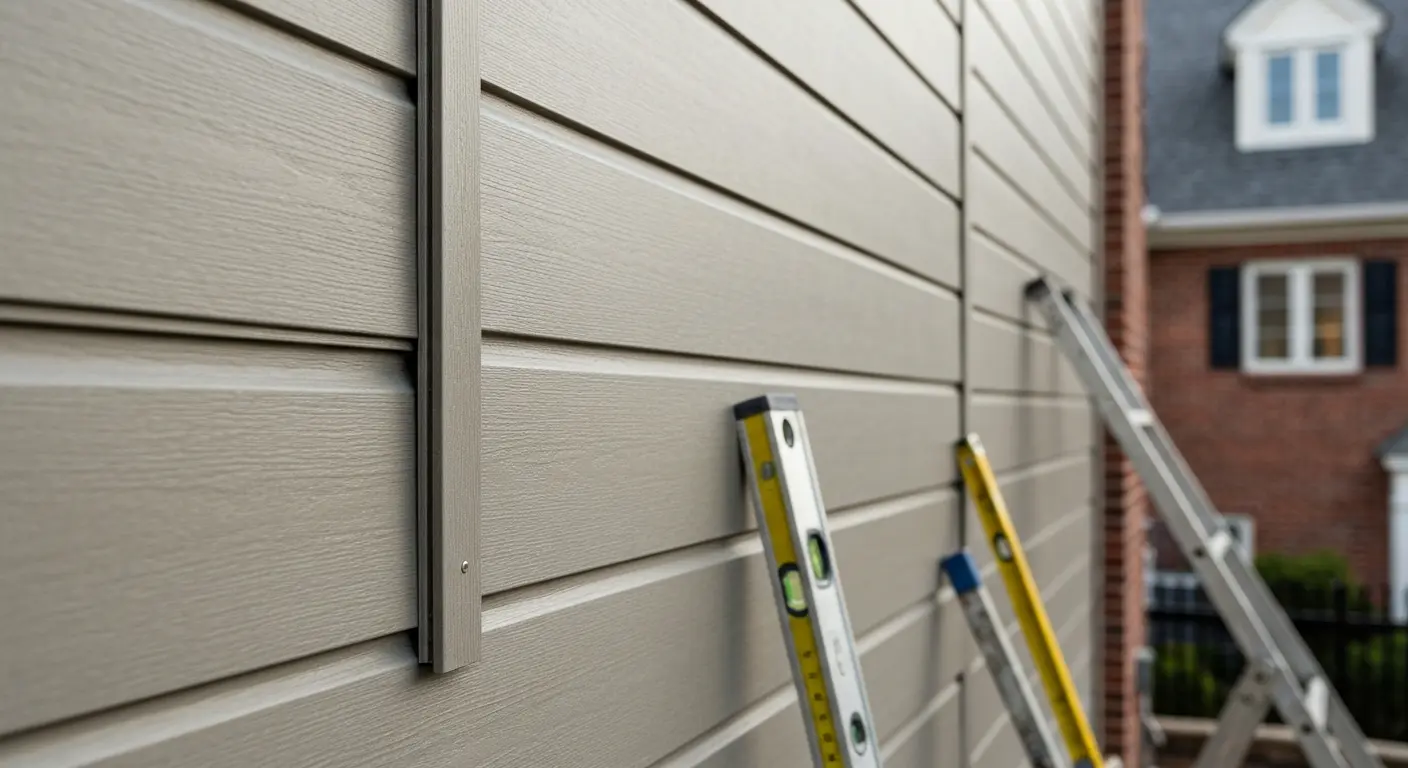
Strong autumn winds can leave Orland Park homes with loose siding panels, cracked corners, exposed seams, and damaged exterior trim. Some problems are immediately noticeable, while others remain hidden until winter moisture reaches the walls. Understanding siding storm damage Orland Park IL homeowners experience helps prevent minor exterior problems from turning into expensive structural repairs.
Illinois weather can be particularly demanding on residential siding. Windstorms loosen fasteners, heavy rain reaches vulnerable joints, and winter temperatures create repeated freezing and thawing. When siding panels shift or separate, moisture can reach the materials beneath the exterior surface.
For homeowners in Orland Park, addressing damaged siding before winter is an important part of protecting the house. Whether your property has vinyl siding, engineered wood, or another exterior material, a professional inspection can determine whether individual panels need repair or larger sections require replacement.
Clearway Exteriors provides siding inspections, storm damage repairs, and exterior replacement services throughout Orland Park and nearby Chicagoland communities. This guide explains the warning signs, repair options, material choices, and preventive steps homeowners should understand before cold weather arrives.
Why strong winds can damage siding on Orland Park homes
Wind places pressure on exterior walls, especially around building corners, upper elevations, and roofline transitions. When gusts move across a house, they can lift siding edges or place strain on existing fastening points.
Older siding may already have weakened connections from years of weather exposure. Even newer installations can experience damage when flying debris strikes panels or severe winds exceed the resistance of the installed materials.
Loose siding does not always fall off immediately
Some panels remain attached after a storm but no longer sit securely against the wall. Small openings may develop near seams, corners, or trim connections.
These gaps allow wind-driven rain to reach behind the siding. Homeowners may also hear rattling or notice panels moving during windy conditions.
Rooflines and exterior corners require additional attention
Areas beneath roof overhangs often experience changing wind pressures. Gable walls and upper-story corners can also be vulnerable because strong gusts move around the building.
An inspection should examine these connections rather than focusing only on visibly broken panels.
How to recognize wind-damaged siding before winter arrives
Identifying wind damaged siding early gives homeowners more time to arrange repairs before snow and freezing temperatures complicate exterior work.
Begin with a safe ground-level inspection after the storm. Walk around the property and examine each side of the house for changes in panel alignment, damaged trim, or visible gaps.
Common signs of siding storm damage include
- Loose, missing, cracked, or displaced siding panels
- Broken corner trim and separated exterior joints
- Visible gaps around windows and doors
- Pieces of siding scattered around the property
- Water stains or damp areas near interior walls
Even one loose panel can indicate problems with surrounding fasteners or connections.
Interior warning signs may reveal hidden moisture
Water entering behind siding can travel through wall assemblies before becoming visible indoors.
Peeling paint, damp drywall, stained window trim, and musty odors may indicate moisture intrusion. These symptoms require further investigation because the visible location does not always match the original opening.
Why damaged siding becomes more vulnerable during Illinois winters
Winter introduces additional moisture concerns for homes with damaged exterior coverings. Snow can collect against walls and trim, while warmer periods allow melting water to enter exposed seams.
Repeated freezing and thawing may worsen existing openings. Materials that remain damp can also experience deterioration when moisture reaches vulnerable surfaces.
Winter moisture can affect the wall beneath the siding
Siding works together with flashing, a weather-resistant barrier, sheathing, and properly detailed openings to manage water.
When damaged panels allow unusual amounts of moisture behind the exterior, underlying components may become exposed to conditions beyond their intended drainage capacity.
Freeze and thaw cycles can enlarge existing gaps
Water trapped in vulnerable joints expands when it freezes. Repeated temperature changes can place additional stress on cracked panels and weakened connections.
Although one freeze does not automatically cause major damage, prolonged exposure increases the importance of timely repairs.
Concealed wall damage needs attention before new panels are installed
If moisture has affected sheathing or framing, simply attaching replacement siding may not resolve the problem.
A professional installer should inspect exposed materials and correct deterioration before closing the wall.
Vinyl siding often shows damage around its locking connections
Vinyl siding remains common on many Orland Park homes because it offers a variety of colors and profiles with relatively simple maintenance requirements.
However, vinyl panels depend on correctly installed fasteners and interlocking connections. Strong winds can disengage these joints or break weakened sections.
Improper fastening can contribute to repeated failures
Vinyl siding needs enough movement allowance for temperature changes. Fastening panels too tightly can restrict movement, while loose or poorly positioned fasteners may reduce attachment strength.
Repairing storm damage requires identifying why the panel became displaced, not merely pushing it back into place.
Matching older vinyl siding may require careful planning
Existing products may have faded or been discontinued. Even when the same color name is available, a newly manufactured panel may look different from siding exposed to years of sunlight.
Homeowners should discuss material compatibility before approving a visible repair.
Engineered wood siding offers another replacement option
Engineered wood siding is an alternative for homeowners considering a broader exterior update. Products such as LP SmartSide are available in several profiles and architectural styles.
Homeowners researching LP SmartSide siding Orland Park options should evaluate appearance, maintenance expectations, installation requirements, and compatibility with the existing structure.
Proper installation is essential for engineered wood siding
Engineered wood products require appropriate fastening, moisture clearances, flashing, and treatment of exposed edges according to manufacturer instructions.
When these details are followed, the system can provide an attractive exterior finish designed for residential weather exposure.
Material selection should consider the entire home
Roof color, window trim, architectural features, and existing exterior finishes all influence how replacement siding will look.
A coordinated material choice helps homeowners achieve a consistent appearance while restoring weather protection.
How professional siding repair restores damaged exterior walls
Effective siding repair Orland Park projects begin with a detailed inspection of the affected wall.
The contractor identifies loose panels, damaged fasteners, trim defects, and possible moisture entry points. When necessary, affected siding sections are removed to examine supporting materials.
Repairing isolated panels can be practical
If damage is limited and the surrounding siding remains sound, replacing individual sections may restore the exterior without a larger project.
The installer should use compatible products and reconnect the panels according to their specific fastening requirements.
Wider damage may require partial or complete replacement
When multiple walls show deterioration, matching materials are unavailable, or concealed moisture damage is extensive, a larger replacement project may be more appropriate.
Homeowners benefit from reviewing the expected durability, appearance, and total cost of each option before making a decision.
Roofing and siding problems can appear after the same storm
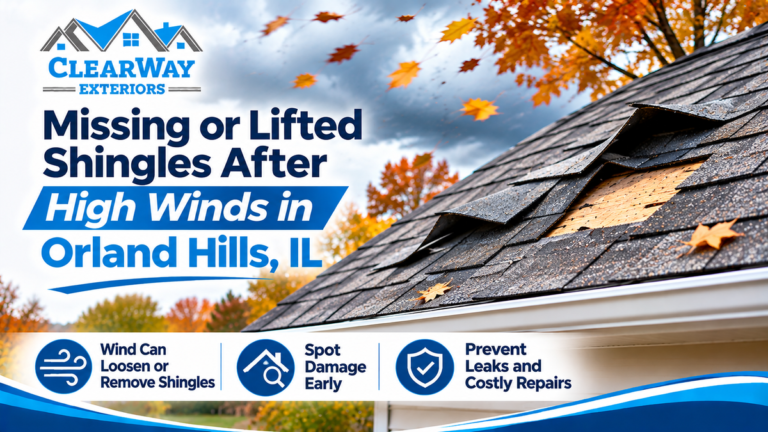
Windstorms frequently damage multiple exterior components. A gust strong enough to loosen siding may also lift shingles, displace flashing, or damage gutters.
This creates situations where water entering near a roofline appears to be a siding leak.
A roofing contractor should examine connected exterior areas
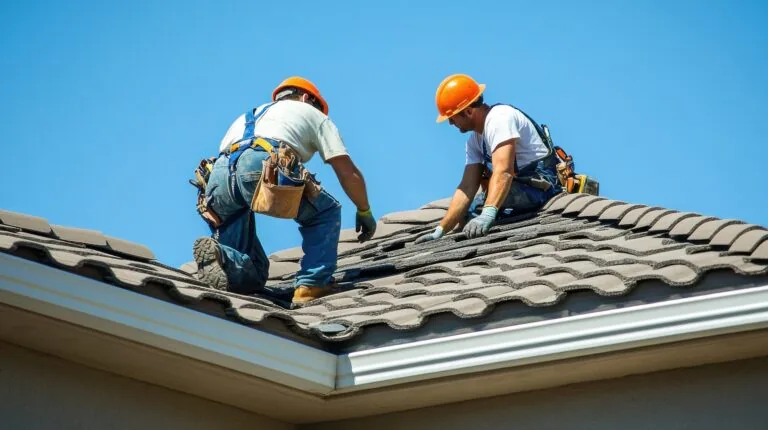
An experienced roofing contractor can inspect roof edges, gutters, flashing, and adjacent siding connections to identify related problems.
For example, damaged kickout flashing may allow roof runoff to reach the wall behind siding. Replacing siding alone would not correct that drainage problem.
Roof-repair work may be necessary before siding restoration
When roofing materials are damaged, professional Roof-repair services may be needed to restore shingles, flashing, roof edge components, or nearby drainage details.
Completing necessary roofing repairs before closing affected siding areas helps reduce recurring moisture concerns.
Roof installation details influence how siding handles water
During Roof installation, flashing and drainage connections must direct water away from adjacent walls.
Roof-to-wall intersections, dormers, porch roofs, and attached garages are particularly important because these locations bring different exterior systems together.
Flashing must integrate correctly with the wall assembly
Step flashing and kickout flashing help direct water away from vulnerable roof and siding intersections.
If these components are displaced during a storm, water can reach behind siding even when the wall panels appear undamaged.
Coordinating exterior repairs helps protect the finished work
When roofing, siding, and gutter damage occur together, reviewing the complete scope before starting repairs helps contractors establish the correct sequence.
This reduces the likelihood of newly installed materials needing to be disturbed later.
What homeowners should expect during a siding damage inspection
A professional exterior inspection should examine the affected elevations, adjoining trim, panel attachment, flashing, and visible moisture concerns.
Photographs help explain damage that homeowners cannot safely view from the ground.
Inspection findings should support clear recommendations
Contractors should identify whether replacement panels are available, whether concealed materials require repairs, and what installation details need correction.
A written estimate allows homeowners to compare the repair scope without relying on verbal descriptions alone.
Weather conditions influence project scheduling
Certain siding materials have installation requirements related to temperature, moisture, and handling.
Planning repairs before sustained freezing weather may provide greater scheduling flexibility and reduce the period of moisture exposure.
Homeowners should document storm damage before repairs begin
Photographs and written records are valuable after major windstorms. Documentation helps establish what damage was visible before materials were removed.
Record the approximate storm date and photograph affected siding, gutters, trim, and roofing components from safe locations.
Keep repair records organized
Save inspection findings, contractor estimates, photographs, and invoices together.
If an insurance claim becomes necessary, these records can provide factual information about the property’s condition.
Insurance coverage depends on policy terms
Homeowners insurance may cover certain sudden wind-related losses, but coverage decisions depend on the policy, deductible, exclusions, and insurer’s assessment.
A contractor can document damage and provide repair pricing. The insurance company determines whether the claim qualifies for payment.
How to prepare your siding for the coming winter
Not every exterior improvement requires replacement. Preventive maintenance can help identify vulnerable connections before winter weather begins.
Homeowners should check visible siding seams, window trim, gutters, and roofline intersections for developing problems.
A practical fall siding checklist
Before freezing weather arrives:
- Examine siding for loose panels and cracked corners
- Check window and door trim for moisture stains
- Confirm gutters direct water away from exterior walls
- Arrange repairs for damaged flashing and exposed seams
- Schedule an exterior inspection after significant windstorms
These steps help reduce avoidable moisture exposure.
Why local experience matters when choosing a siding contractor
Orland Park homes include different architectural styles, siding materials, and exterior drainage arrangements. A contractor familiar with the southwest Chicago suburbs can evaluate these differences alongside seasonal weather exposure.
Older properties may require special attention to existing wall materials, while newer homes may need repairs that preserve compatible siding profiles and finishes.
Clear communication helps homeowners compare repair options
A dependable contractor should explain the damage, proposed materials, installation requirements, warranty terms, and any additional work needed.
Homeowners should understand the project before authorizing repairs rather than discovering important details after installation begins.
Conclusion
Addressing siding storm damage Orland Park IL homeowners discover before winter helps protect exterior walls from additional moisture exposure. Loose panels, cracked corners, separated seams, and damaged flashing should be examined before freezing conditions make repairs more complicated.
Whether the damage requires an isolated panel replacement or a larger siding project, professional inspection helps identify the actual problem and establish an appropriate restoration plan.
Clearway Exteriors provides siding repair and exterior restoration services throughout Orland Park and nearby Chicagoland communities, helping homeowners protect their properties from wind damage and seasonal moisture. Call (866) 328-1110 to schedule an exterior inspection and discuss your repair options at our office located at 18521 Spring Creek Drive Unit B, Tinley Park, IL 60477.
Wind-Damaged Siding Repair FAQs
How can I identify wind-damaged siding on my home?
Wind-damaged siding may show loose panels, cracked corners, open seams, displaced trim, missing sections, or rattling during storms. Interior moisture stains can also indicate water entering through damaged exterior connections.
Should I repair wind-damaged siding before winter?
Yes. Repairing damaged siding before winter helps reduce moisture intrusion through exposed seams and loose panels. Repeated freezing and thawing can worsen existing gaps and contribute to hidden wall damage.
Can individual siding panels be replaced after storm damage?
Individual siding panels can often be replaced when damage is localized and matching materials are available. Widespread deterioration or concealed moisture damage may require more extensive replacement.
Is LP SmartSide a suitable replacement option for Orland Park homes?
LP SmartSide engineered wood siding is an option for homeowners seeking durable exterior materials and different architectural styles. Proper installation, fastening, flashing, and moisture management are important for long-term performance.
Will homeowners insurance cover wind-damaged siding?
Homeowners insurance may cover sudden wind damage depending on the policy, deductible, exclusions, and insurer’s findings. A contractor can inspect and document the damage, but the insurance company determines coverage.